How to Help When Your Child is Losing Confidence in Maths or English
Sponsored post
Discovering that your child is struggling at school can be a super stressful (for you and them) but knowing that they need extra support means you can look for ways to help them. You see, the problem with kids that struggle at school is that they rarely come home and tell you straight out, “I need help.” Instead it can show up as frustration, avoiding homework, clowning around or acting out in class, feeling despondent about their abilities or even losing interest in subjects they used to enjoy.
From the outside it can look like they are being lazy, distracted or maybe just having an off day, but often it’s none of those things. Kids who are struggling are usually battling hidden gaps in understanding or a lack of confidence in a subject like Maths or English, which can leave them feeling stuck, anxious or even embarrassed. That’s why noticing these signs early and finding the right kind of support can make all the difference, helping them regain both their skills and their self-belief.
One approach that many families are finding helpful is Kinetic Education, an Australian online tutoring service that starts with a detailed assessment to identify exactly where a child needs support. Structured, targeted and flexible, it allows children to work at their own pace while receiving guidance in areas that matter most, helping them close their knowledge gaps in core subjects like Maths and English.
But before we jump ahead to how you can help, it’s important to understand what may be going on for your child so you can find the best solution.
Why Confidence Drops in Core Subjects
Confidence in Maths and English can dip for a variety of reasons and understanding them is key to helping your child. One common factor is learning gaps that build over time. Sometimes children haven’t fully grasped concepts from earlier years, which can make new topics that build on them feel overwhelming or confusing.
In classrooms where teachers are trying to balance the needs of many students, children who need more time or help to understand certain concepts can sometimes get left behind. This can make them feel lost and can knock the confidence of even the most capable learners.
Lastly, it’s human nature that your child will compare themselves to their peers. If they look around the classroom and see their classmates grasping ideas quickly while they are struggling, it can chip away at their confidence.
Why Traditional Tutoring Doesn’t Work for Everyone
Odds are, if you have neither the time nor the experience to take on the job yourself, your first thought will be to consider a tutoring service. It seems like an obvious solution, but for many families the cost can be a barrier. Hourly sessions can add up quickly, especially if your child needs help across multiple subjects, or you have other children in the family that also need more support.
Even if cost isn’t an issue, for some families finding the time between work commitments, extracurricular activities and family routines can make it difficult to schedule in regular sessions with a tutor. Even when families do make it work, the inflexibility of fixed session can feel like an added pressure and may not align with when your child is most alert and ready to learn.
Finally, many tutoring options use a one-size-fits-all approach. They follow a standard syllabus that doesn’t always address the areas where your child actually needs help. As a result, children may spend time on topics they already understand, while gaps in key areas remain unaddressed. This can be discouraging for both the child and the parent and sometimes reinforces that sense of struggle rather than building confidence.
Because of these challenges, it’s easy to see why many families are looking for alternatives that combine flexibility, targeted support and affordability — giving children a way to regain confidence without adding more stress to family life.
Kinetic Education’s Assessment-Led Learning: Targeted Support That Works
One approach that has been gaining attention among Australian families is Kinetic Education’s assessment-led online learning program, which starts with a comprehensive assessment to identify exactly what a student knows, where gaps exist and how confident they feel in each area.
How It Works
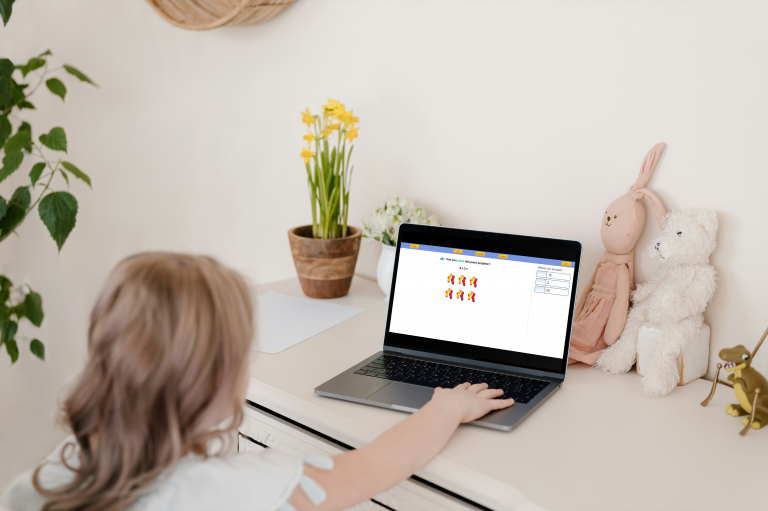
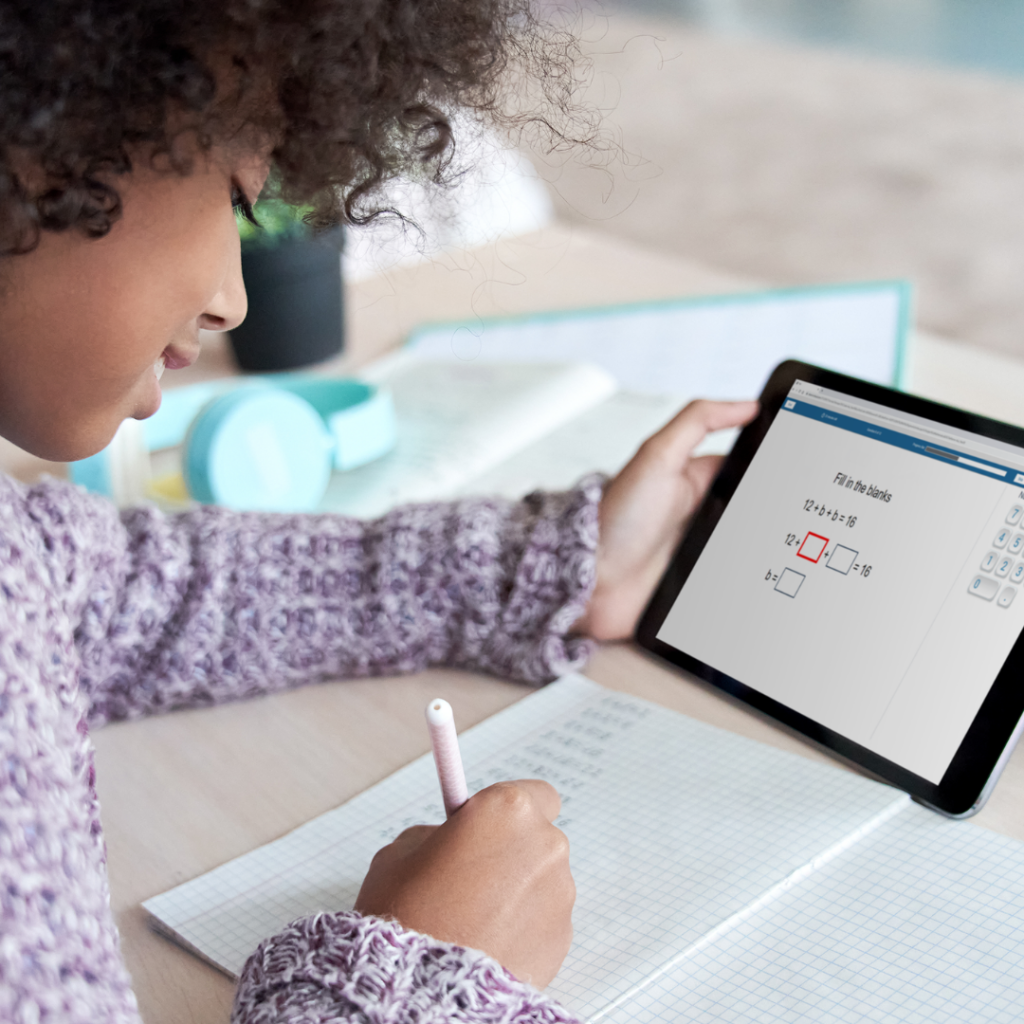
One of the things about Kinetic Education’s tutoring that parents rave about is the flexibility. Students complete short, focused lessons of around 20 minutes each, usually four times per week. These can be spread across the week and done at a time that suits your family’s schedule or when your child is most engaged and ready to learn, whether that’s after school or over the weekend. The online platform is designed to be interactive and engaging, incorporating skill building activities, games and practice questions that make learning less intimidating and more fun.
If a child struggles with a concept, they can connect with real Australian tutors who provide step-by-step guidance and explain things in a way that makes sense to them. Parents are kept in the loop through weekly updates that outline progress and provide feedback, so they can support their child without having to hover over them every single session.
Students can also earn points and rewards as they complete activities which they can use to enter competitions to win prizes, or buy real prizes such as Smiggles gift cards, Myer gift cards and WISH gift cards, adding an extra layer of motivation.

Why Kinetic Education is a Good Fit for Every Type of Learner from K-12
Whether your child is finding Math or English tricky, progressing steadily but needing a little extra practice or working ahead and wanting more of a challenge, Kinetic Education’s online tutoring program can make a real difference. Neurodiverse learners often thrive with the clear, structured approach and homeschooling families or kids who travel frequently can fit lessons in anywhere using a tablet, laptop or iPad. Because every plan is tailored to your child’s strengths, gaps and pace, they get to focus on what matters most, building skills, confidence and a genuine sense of achievement.
See How Kinetic Education Can Work for You: Free Two-Week Experience
If you’ve noticed your child struggling or losing confidence in Maths or English, there’s no need to feel stuck or unsure what to do next. With Kinetic Education, families can access personalised online tutoring tailored to exactly what their child needs, with real Australian tutors providing guidance, feedback and support every step of the way. Lessons are short, flexible and easy to fit around busy family life, and best of all, prices start from just $29 per week for a family.
Getting started is simple: your child completes a brief diagnostic assessment to pinpoint their strengths and gaps, then receives a personalised learning plan designed to build skills and confidence, while learning at their own pace.
If you want to see how this structured, flexible approach could help your child thrive, you can start your free two-week experience at kineticeducation.com.au. It’s a low-pressure way to try the program and see how personalised support can make a real difference, for your child and your family.