
What Outdoor Play Does for Kids’ Brains That Screens Can’t
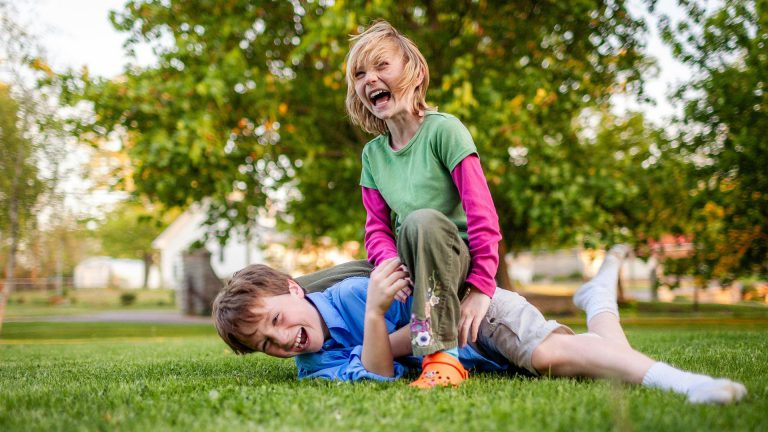
Photo by Ian Taylor Photographer
Technology has become a daily part of a child’s life in the modern world. From watching videos on their tablet to completing schoolwork on the computer, there is no doubt that it has become important in family life. I mean, what would we all do without our phones?!
Of course there are undoubtedly some benefits to screens, and technology in general, for children (& sometimes for parents who need a much-needed break too!) However, there is also research indicating that screens can affect a child’s sleep habits and increase behaviour problems (amongst other things). Outdoor play, on the other hand, can be a vital way to support children’s brain health & general development.
From boosting their problem-solving skills to teaching them to be more creative, there are numerous benefits that outdoor play can provide. But children aren’t getting out enough nowadays. In-fact according to studies, less than half (45%) of Australian children play most days outdoors.
Here’s a closer look at how outdoor play helps children grow and learn in ways screen time can’t replace.
Learning
Outdoor play supports both physical and cognitive development in ways indoor environments often can’t. Moving across grass, climbing, balancing and running all help children build coordination, strength and spatial awareness.
For younger children, even simple activities like walking on uneven ground help develop balance and confidence. Outdoor spaces naturally encourage movement in a way that indoor environments rarely do.
Sensory development is another big part of outdoor play. As messy as it can be, mud play is fantastic for sensory learning. Digging, pouring, scooping and mixing all help children understand textures, weight and cause-and-effect.
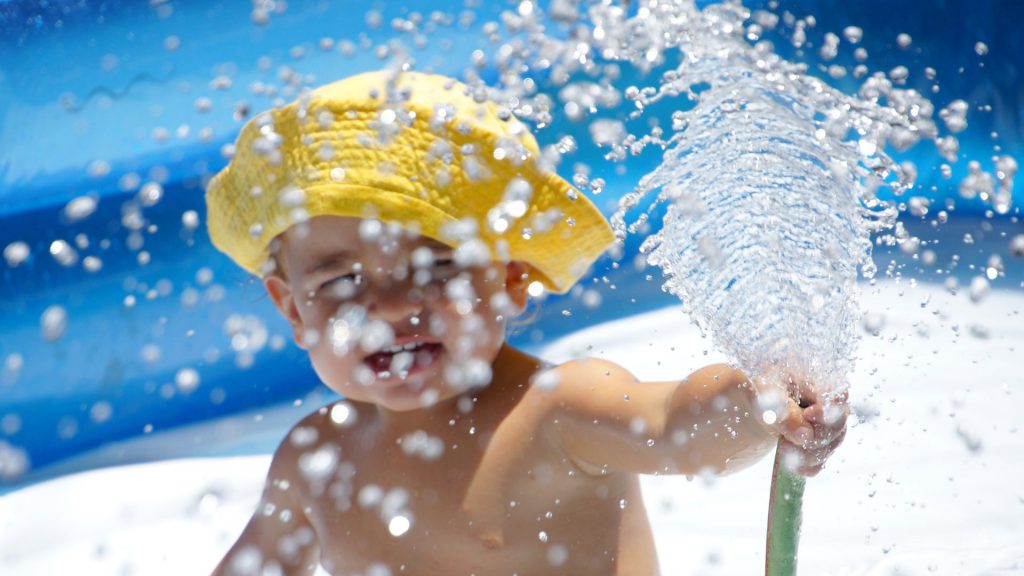
Water play offers similar benefits. Splashing, pouring and experimenting with water helps children explore through touch while building confidence around water in a relaxed environment. Simple activities like filling containers or creating small water channels can become powerful learning moments without feeling structured or forced…and a water fight outside is always a fun bonding activity for a family, even if there’s some (mostly) friendly competition involved.
Creativity
The outdoors encourages imaginative play. Gardens, parks and backyards provide open-ended spaces where children can invent stories, build worlds and explore ideas without needing instructions or screens.
Kids will use sticks, rocks, leaves and plants they find outside to make tools, build a cubby house or create their own open-ended games. The possibilities are endless for their imagination to come alive, and you’ll be amazed how a few simple elements can spark hours of creative play.
Cubby houses, sandpits and outdoor play spaces can also support role-play and storytelling. These environments give children the freedom to create their own scenarios, whether that’s running a pretend café, building a fort or creating a tiny world for bugs and toys.
Problem-Solving
Outdoor play is often unstructured and is constantly presenting small challenges for children to work through. Things like working out how to climb safely, how to build something stable, or how to dig a tunnel without it collapsing all involve problem-solving.
These moments of trial-and-error help children develop persistence and confidence in their own decision-making. Outdoor play often gives children the space to try again after something doesn’t work, without pressure or time limits.
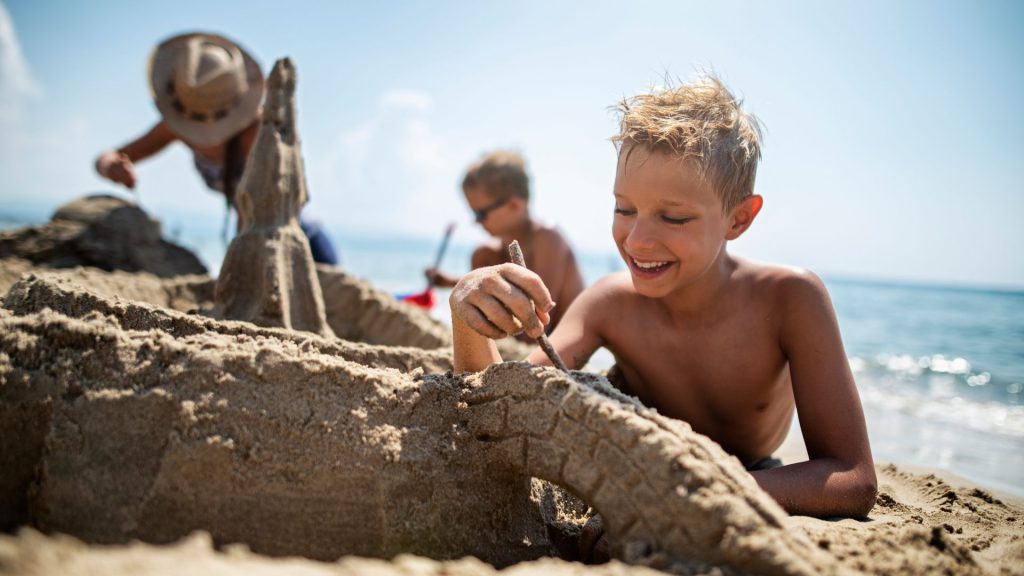
Sand play is a great example. Building a sandcastle that keeps falling apart encourages children to adjust, experiment and try new approaches. Over time, these small experiences build resilience and practical thinking skills.
Independence grows naturally when children are given opportunities to solve problems on their own, even in simple backyard settings.
There are so many ways children can work on their problem-solving skills when they play outside. From working out how to climb in the garden safely to learning how to build a sandcastle, there are problem-solving dilemmas in the garden that can teach them to make good decisions.
Emotional Development
Outdoor play can help a child to feel more focused mentally, especially when they need to concentrate. Children can often feel irritated and full of energy when they are inside, but being outside in the natural environment can elicit a calming effect & allow them to release built-up energy.
The chance for free play can help kids focus and help them to concentrate. In fact, schools are now prioritising outdoor play as it’s one of the most powerful drivers of children’s wellbeing.
Free play outdoors allows children to slow down and engage with their surroundings. Watching insects move, noticing how plants grow, or simply exploring a garden can help build patience and observation skills.
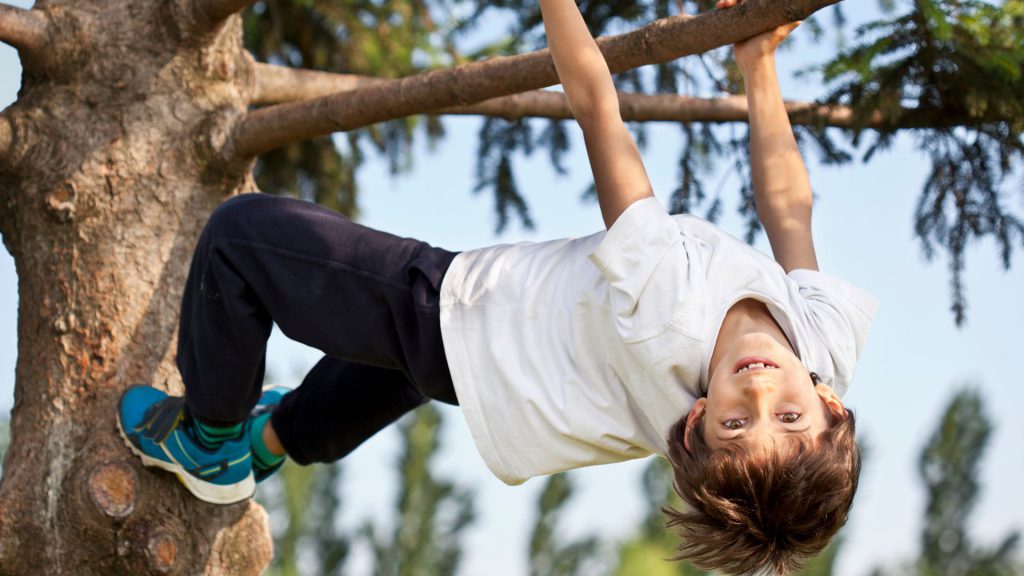
Outdoor play can also support confidence. Learning to climb a little higher, balance a little longer, or complete a small task independently can create a strong sense of achievement.
With all this in mind, it might be time to grab the boots and head outside. Even a small amount of outdoor play each day can help build creativity, problem-solving skills and physical confidence. Sometimes the simplest activities such as playing in a muddy backyard, exploring in the local park, or building a sandcastle can do the most for growing minds.
 Tom White is director of The Best Backyard, an Australian retailer specialising in outdoor play equipment and outdoor living. He is also a proud dad of two boys and is passionate about encouraging children to spend more time outdoors. Through his work Tom advocates for nature-based and imaginative play, and enjoys helping families slow down, step outside and create lasting memories together.
Explore other popular topics: