Honey Biotics: The Australian Skincare Brand Inspired By One Grandfather’s Fight To Save His Leg
There are plenty of skincare brands with heartwarming backstories, but very few begin with a man being told amputation was his only remaining option.
For the family behind Honey Biotics, Manuka honey was never just another trendy ingredient or wellness buzzword. It became part of their lives during an incredibly difficult chapter, after founder Lyndsay Goulter developed a severe MRSA staph infection linked to a diabetic ulcer — an infection that reportedly resisted treatment for almost 18 months.
Lyndsay’s grandson, Matthew Boyle, who now runs the company alongside his brother Christopher, was still young when it all unfolded, but says the experience left a lasting impression on the entire family.
“This started towards the end of 2005,” Matthew explains. “I was still quite young at the time, but it’s something that’s stayed with me because of how drawn out and uncertain it became. My granddad, Lyndsay, had been dealing with an infection for a long time, and it wasn’t improving—it was persistent and getting worse. He was in and out of hospital constantly, and over time it became clear this wasn’t something routine or manageable.”
As the infection worsened, doctors continued trying conventional treatment methods including intravenous antibiotics, hospital care and debridement procedures. But according to Matthew, there came a point where the conversation surrounding Lyndsay’s condition became much more serious.
“Initially, the focus was on managing the infection through standard treatment—debridement, antibiotics, and ongoing hospital care—but after repeated attempts without success, the conversation shifted,” he says. “It stopped being about how to heal it and became about how to contain it, and that’s when amputation was introduced as the only viable option to prevent it from spreading further. It wasn’t positioned as a possibility, but as a necessity, which made it incredibly confronting for him and for the family.”
The situation was made even more complicated because the infection itself was highly resistant to antibiotics, while diabetes significantly impaired Lyndsay’s ability to heal. “It was an MRSA staph infection, which is known for being highly resistant to antibiotics, and in his case it was compounded by a diabetic ulcer, which made healing significantly more difficult,” Matthew explains. “You’ve essentially got a situation where the body’s ability to repair itself is already compromised, and the infection itself is highly adaptive, so conventional treatments just weren’t effective in controlling it over a sustained period of time.”
After roughly a year and a half of ongoing treatment, the emotional toll had become just as overwhelming as the physical one. “He underwent various antibiotic treatments over roughly 18 months, including intravenous antibiotics in hospital, and physically it took a toll, but I think the emotional impact was even greater,” Matthew says. “Being told repeatedly that nothing was working and that amputation was the likely outcome is something most people would struggle to accept, but he was a very determined and stubborn person, and in this case that mindset worked in his favour because he refused to see that as the only ending.”
It was during this period that Lyndsay began looking into alternative approaches. According to Matthew, friends in the honey industry first introduced the idea of using Manuka honey, though Lyndsay quickly immersed himself in researching it further.
“He had friends in the honey industry who initially suggested it, but from there he really took ownership of understanding it himself,” Matthew says. “He had a genuine interest in alternative medicine and different cultural approaches to healing, so he spent time researching the properties of Manuka honey and how it had been used historically. At that point, the science wasn’t as widely recognised as it is today, but there was enough evidence for him to believe it was worth trying.”
What happened next sounds unconventional by any standard, but according to the family, it became the turning point.
“It’s definitely not conventional, but he essentially soaked fresh pairs of socks in Manuka honey and wore them so that it stayed in constant contact with the infected area,” Matthew says. “He committed to doing this consistently over about a week, not as a one-off attempt, but as something he fully leaned into because he believed it might work.”
Remarkably, Matthew says changes began appearing within days.
“He started noticing changes within about three days, particularly a reduction in redness, which was significant given there had been little to no improvement over the previous 18 months. Over the following weeks, the ulcer began to dry out and gradually heal, which was a completely different trajectory to what he had experienced with conventional treatments.”
While the medical team remained cautious, the family says the improvement became impossible to ignore. “They were surprised and understandably cautious, but at the same time they couldn’t ignore what they were seeing,” Matthew says. “There was still some scepticism around how it had happened, but the outcome spoke for itself, and ultimately they agreed that amputation was no longer necessary and moved to monitoring the situation instead.”
For Lyndsay, the experience became about far more than just his own recovery. According to Matthew, it fundamentally shaped the way he viewed healing and the role natural therapies could potentially play alongside conventional medicine.
“He was always very focused on helping others and had spent a lot of his life supporting communities and developing countries in need, so this experience gave him something tangible that could do that in a very direct way,” Matthew says. “It didn’t turn him away from conventional medicine, but it reinforced the idea that there can be other solutions worth exploring, particularly when traditional approaches aren’t delivering results.”
As more people heard the story, friends, family and eventually customers began asking whether similar formulations could help with their own skin concerns, particularly eczema, psoriasis, dermatitis and chronic dryness. That growing interest eventually laid the foundation for Honey Biotics.
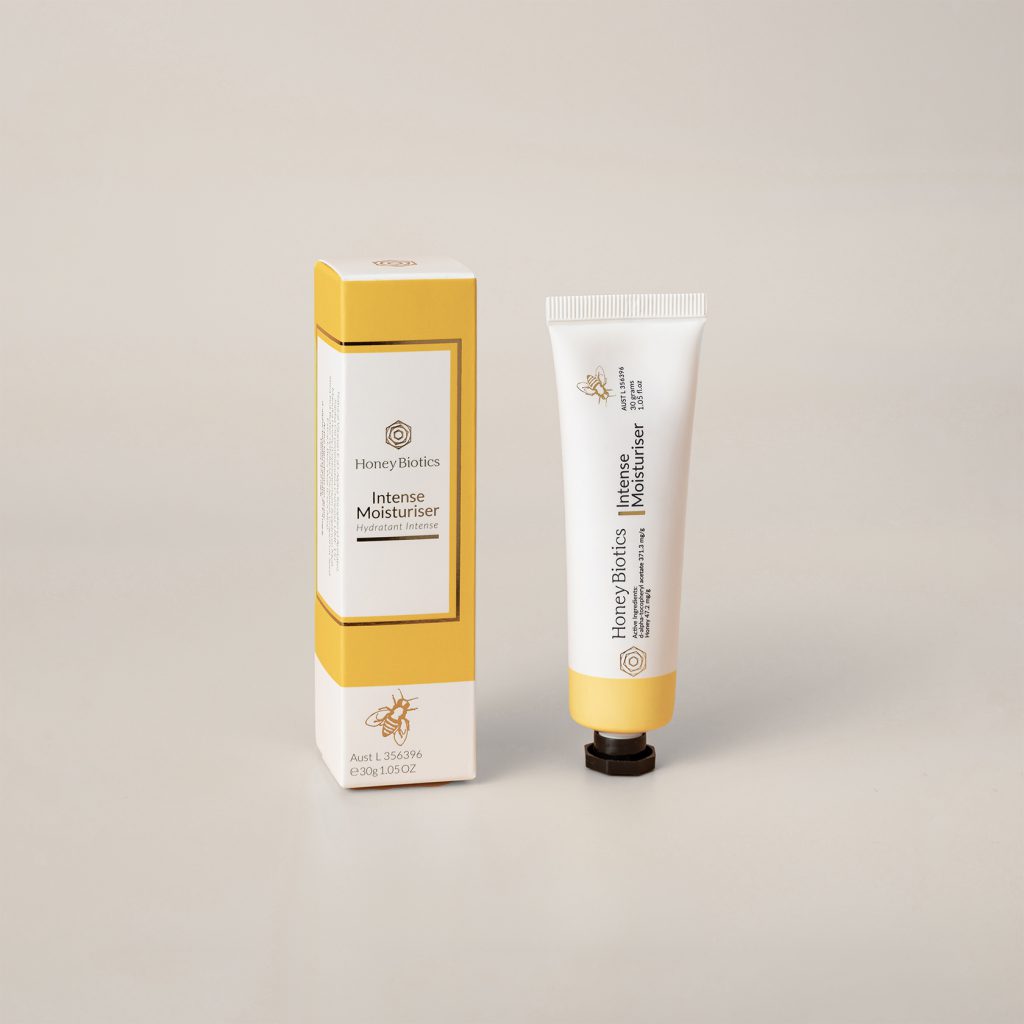
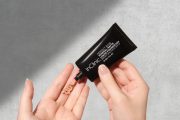
“It started from a very practical place—we wanted to recreate what had worked for him, but in a way that was usable, consistent, and safe for other people,” Matthew explains. “The original approach was obviously unconventional, so the focus became how to translate that experience into something more refined without losing what made it effective.”
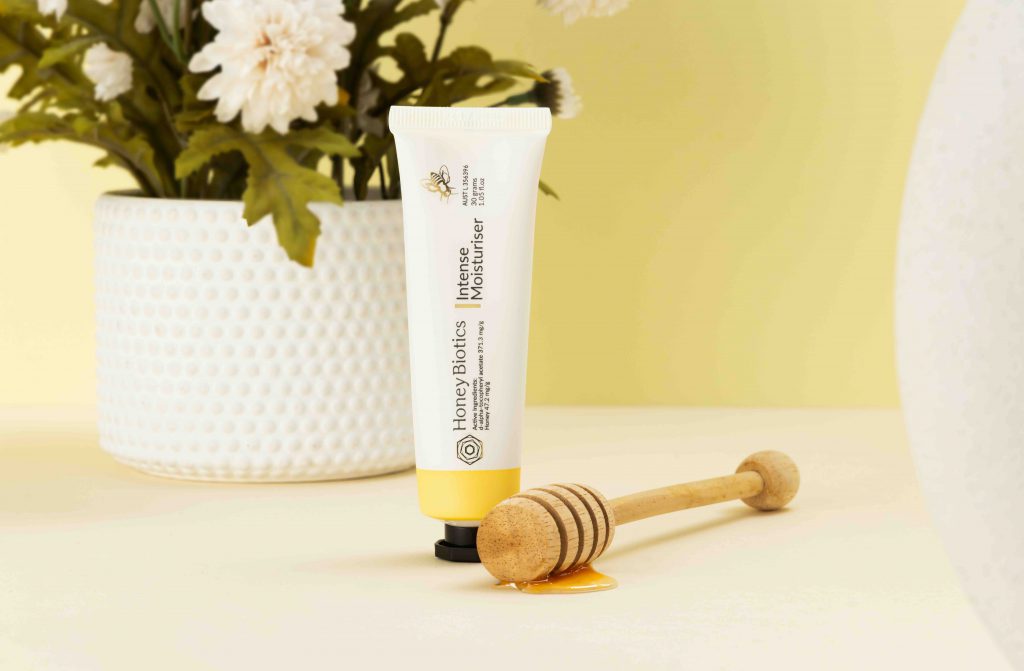
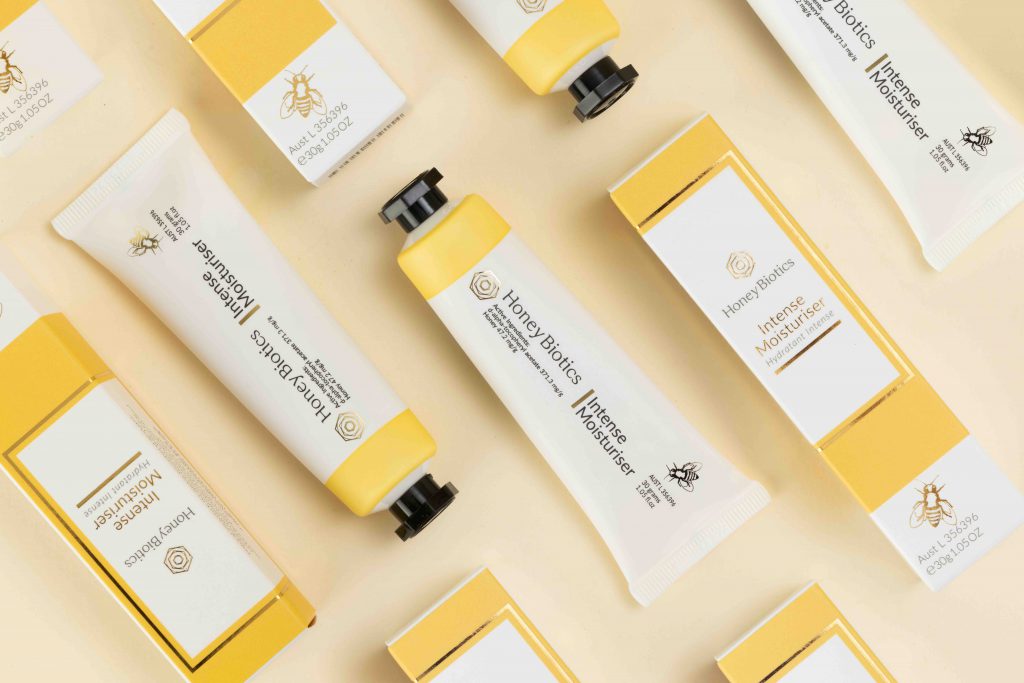
Over time, the formulation evolved beyond Manuka honey alone, eventually incorporating ingredients like jojoba oil, shea butter and natural vitamin E to support hydration and skin barrier repair. “It became less about a single ingredient and more about creating a complete, functional treatment,” Matthew says.
Although Lyndsay passed away in 2015, his grandsons say his influence still shapes the company today. “His legacy is really carried through in the intent behind the product,” Matthew explains. “We’re not trying to create something cosmetic or trend-driven—we’re focused on helping people who are dealing with real, often persistent skin concerns.”
Now leading the company themselves, Matthew and Christopher remain deeply connected to the story that inspired it all. “Myself and my brother Christopher are leading the brand today, and while we were young at the time, Grandad was living with us, so we experienced that period very closely,” Matthew says. “That’s shaped how we approach the business—we’re not removed from the story, we saw it firsthand, which is why there’s a strong sense of responsibility to maintain the integrity of what he started.”
And perhaps that’s why Lyndsay’s story continues to resonate with so many people today. “It resonates because it reflects a situation that many people can relate to—not necessarily the same severity, but the experience of trying multiple treatments without success,” Matthew says. “His story represents a turning point where something different made a meaningful impact, and that gives people a sense of possibility, particularly when they’re feeling stuck or frustrated with their skin.”
Explore other popular topics:








Jolene
Jolene enjoys writing, sharing and connecting with other like-minded women online – it also gives her the perfect excuse to ignore Mount-Washmore until it threatens to bury her family in an avalanche of Skylander T-shirts and Frozen Pyjama pants. (No one ever knows where the matching top is!) Likes: Reading, cooking, sketching, dancing (preferably with a Sav Blanc in one hand), social media, and sitting down on a toilet seat that one of her children hasn’t dripped, splashed or sprayed on. Dislikes: Writing pretentious crap about herself in online bio’s and refereeing arguments amongst her offspring.