
What’s Really in Your Baby Wipes? A Guide for Parents
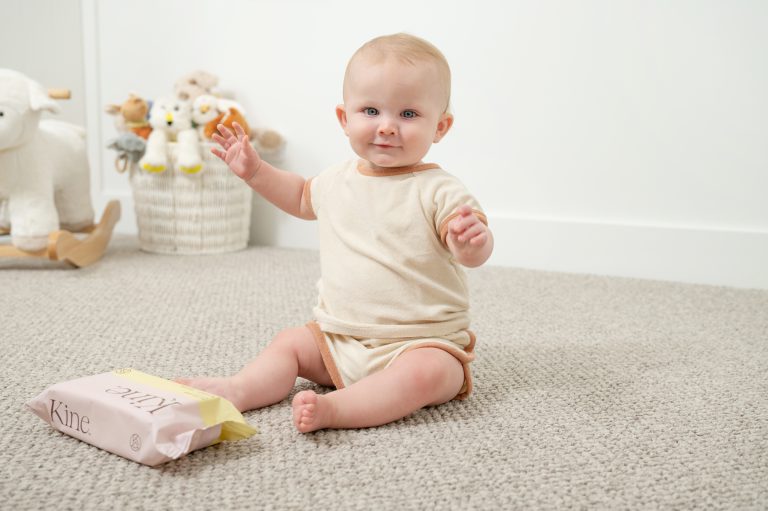
Whether it’s a nappy change, wiping hands after snacks, or cleaning up something you’d rather not identify, wipes are just part of the rhythm of daily life with kids. They’re convenient, reliable, and always within reach—which is exactly why we rarely stop to think about what they’re actually made of.
But more parents are starting to take a closer look at the products they use every day, especially the ones that come into contact with their baby’s skin multiple times a day. Baby wipes fall squarely into that category, and once you start reading the label, it becomes clear they’re a little more complex than they seem.
At a basic level, wipes are made up of two parts: the cloth itself and the liquid it’s soaked in. The cloth is often where the first surprise comes in. Although wipes feel soft and fabric-like, many are actually made with synthetic fibres that include plastic. That’s what gives them their strength and durability, but it also means they don’t break down easily once they’re disposed of. For families thinking more about sustainability, that’s becoming harder to ignore.
The liquid solution is mostly water, but it can also contain a mix of ingredients designed to clean, preserve, and protect the product over time. Preservatives play an important role in preventing bacteria and mould, especially in something that’s opened and closed regularly. Beyond that, some wipes include added fragrances, alcohol, or certain cleansing agents that may not suit every baby’s skin. While these ingredients are generally considered safe, some babies—particularly those with sensitive skin—can be more prone to irritation.
This is why many parents find themselves paying closer attention to labels, looking for products that are free from alcohol, parabens, and sulphates, or that use fewer, more familiar ingredients. There’s also been a noticeable shift towards wipes that are pH balanced and dermatologically tested, particularly for newborns and babies with more delicate skin.
At the same time, there’s growing awareness around the environmental side of things. Products that combine gentle formulations with more responsible materials are becoming more appealing, especially when they don’t require a major change to your routine.
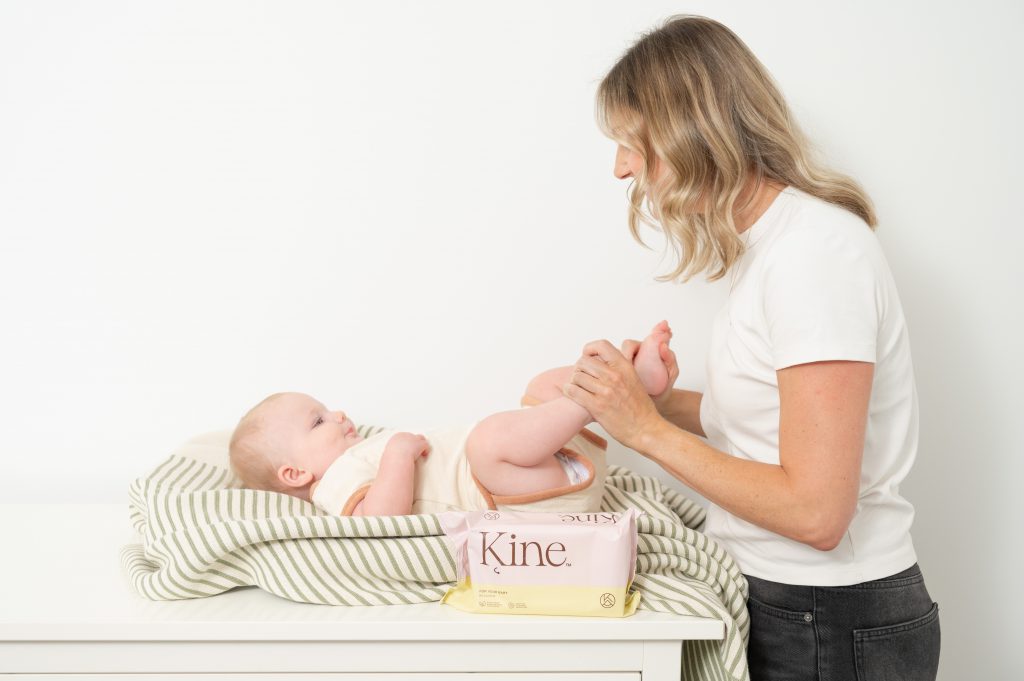
This is where Kine Australia stands out. Their Kine For Your Baby Cloths are designed to address both sides of the conversation—what goes onto your baby’s skin, and what happens after you throw the wipe away. Instead of synthetic fibres, they use plant-based materials with no hidden plastics, which means the cloths are able to break down more naturally over time. They’re also formulated to be gentle enough for everyday use, with a pH balanced, hypoallergenic approach that avoids alcohol, parabens, and sulphates.
The inclusion of ingredients like aloe vera and vitamin E adds another layer of consideration, helping to support the skin barrier and keep things comfortable, especially with frequent use. And for families who rely on the convenience of being able to flush wipes occasionally, Kine’s cloths are certified to Australian flushability standards, offering a clearer level of reassurance around how they perform once they leave your home.
What makes this kind of product appealing isn’t just one feature, but the overall approach. It reflects a shift towards everyday essentials that are designed with a bit more thought—where performance, skin sensitivity, and environmental impact are all part of the same conversation, rather than separate considerations.
Of course, there’s no single ‘perfect’ wipe that suits every family. Some parents prioritise simplicity, others focus on sustainability, and many are just looking for something that works without causing irritation. But having more transparent, well-considered options available makes it easier to choose products that align with what matters to you.
Baby wipes might seem like a small detail in the bigger picture of parenting, but they’re one of the most frequently used products in any household with young children. Understanding what they’re made from—and choosing ones that are a little more thoughtful in their design—can make a difference over time, without adding any extra complexity to your day.
Because in the end, it’s not about changing everything. It’s about making small, informed choices where it feels doable, and trusting that those choices are enough.
Explore other popular topics: