1 in 3 Single Parents Are Going Without Hygiene Basics to Look After Their Kids

Picture this: you’re standing in the supermarket aisle, deodorant in one hand, nappies in the other, doing the maths on what you can actually afford this week. For a huge number of Aussie parents, that’s not a hypothetical. It’s their day-to-day reality.
New research from Good360 Australia has found that more than 1 in 3 single parents (37%) and over 1 in 4 parents (28%) have gone without hygiene essentials like soap, shampoo or deodorant, just to make sure their kids have what they need. And it’s not just families on the lowest incomes doing it tough. This is reaching full-time workers and middle-income households too.
Just How Bad Is It?
It’s not a small or isolated issue. Good360’s research found more than 5.5 million Australians (1 in 5) are currently living in hygiene poverty, meaning they’ve skipped buying personal hygiene or cleaning products in the past year just to cover other essentials. And more than 1 in 3 Australians (35%) have experienced it at some point.
For parents specifically, the picture is even starker:
- 37% of single parents have gone without hygiene products to make sure their kids have them
- 28% of parents overall have done the same
- 65% of single parents are worried they’ll struggle to afford hygiene basics in the next 12 months, the highest of any group surveyed
- 1 in 10 women have gone without period products specifically because of the cost
And it’s not just soap and shampoo we’re talking about. “Hygiene essentials” covers everyday items like toothpaste, deodorant, nappies, period products and household cleaning items, the stuff that’s easy to take for granted until you’re choosing between it and putting food on the table.
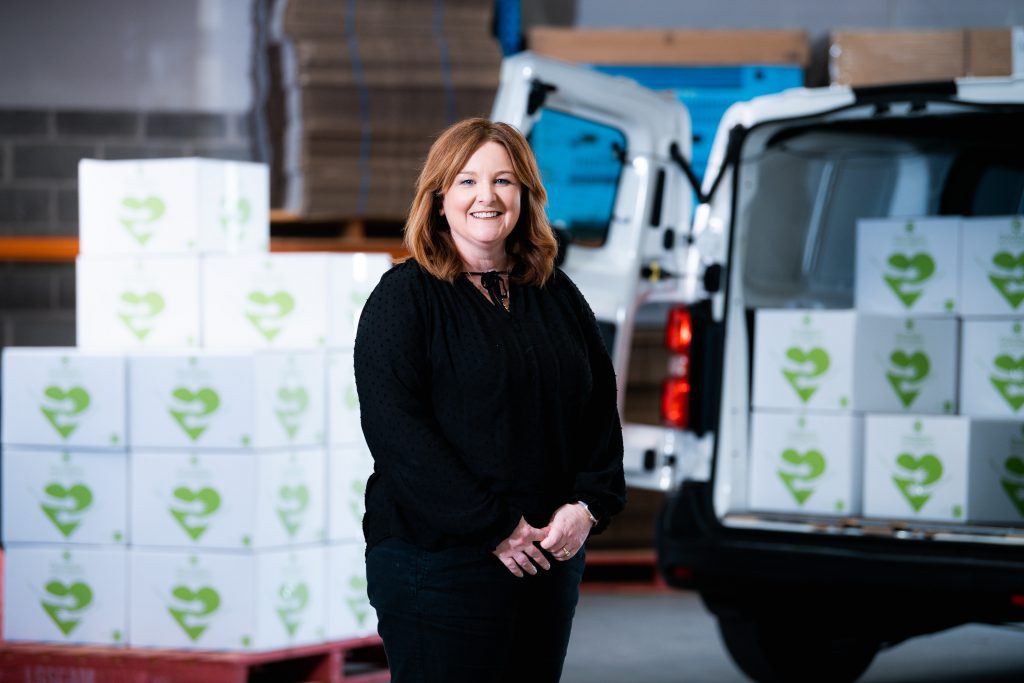
Alison Covington AM, Founder and Managing Director of Good360 Australia, says the findings should concern every Australian:
“The findings of this research are deeply concerning. Hygiene poverty is no longer a problem at the margins, it cuts across our communities, impacting millions of Australians who are being forced to skip basic hygiene products to afford food, rent, housing and petrol. It is not only Australians on the lowest incomes that are affected. Our research shows hygiene poverty now reaches full time workers and all types of families, extending well into middle income Australia.”
The Stuff No One Talks About
The impacts of hygiene poverty go well beyond an empty bottle of shampoo, and they’re often invisible. Among Australians who’ve experienced it:
- 1 in 3 (34%) have avoided social situations altogether
- 1 in 3 (33%) have felt embarrassed or ashamed, or experienced flow-on mental health impacts
- Nearly 1 in 4 (23%) have delayed a doctor or dental appointment
- Almost 1 in 10 (8%) have avoided going to work or a job interview
Women are copping it worse than men across the board. Almost 1 in 4 women (23%) have skipped hygiene products, compared with 16% of men, and women are nearly twice as likely to delay a doctor or dental appointment because of it.
It’s easy to see how the flow-on effect builds: skipping deodorant makes you less likely to go to that job interview, skipping period products makes you less likely to leave the house, putting off the dentist because you can’t afford toothpaste turns into a bigger, more expensive problem down the track. It’s a cycle that quietly compounds, and for parents, it’s happening while they’re still making sure their kids don’t go without.
Want to Help?
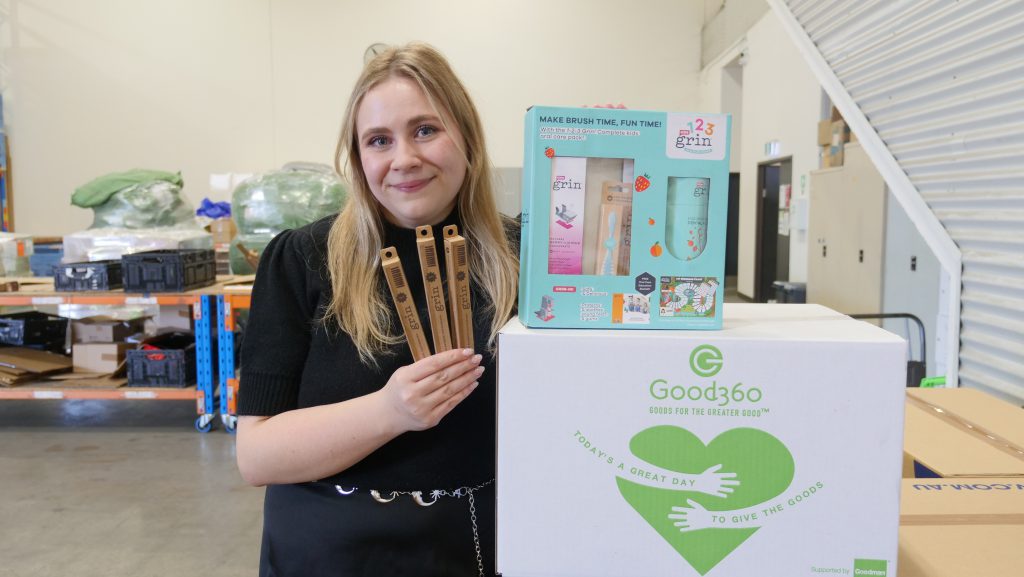
The good news? Good360 says this is a solvable problem, and they’re on a mission to prove it, aiming to deliver 1 million donated hygiene products to Australians who need them most.
Here’s how you (or your workplace) can get involved:
- Donate goods: Businesses sitting on surplus hygiene stock can donate it through Good360, which redistributes it to charities and schools across the country. Reach out via [email protected].
- Donate funds: Every dollar counts. Just $25 delivers a complete hygiene pack with 8 essential items to someone who needs it.
If you’re a parent who’s felt the pinch yourself, you’re not alone. And if you’re in a position to help another family avoid making that same impossible choice, this is a pretty simple way to do it.
Explore other popular topics: