The Weekend Garden: What to Plant with the Kids Before Christmas
Late spring is the easiest time of year to get children into the garden. The soil is warm, the days are long, and almost anything you put in the ground now will be doing something worth looking at by the summer holidays. Here is a plan for three weekends, built around plants that forgive a missed watering and a small gardener’s enthusiasm.
Weekend One: A Hedge to Hide Behind
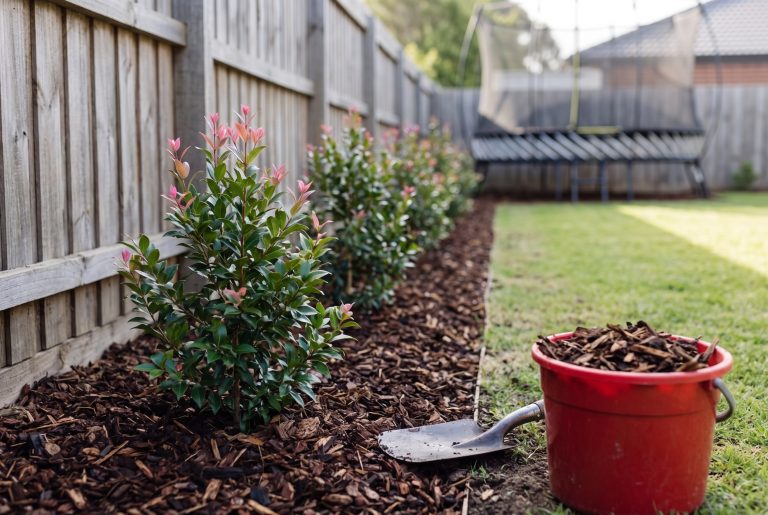
If there is a fence line that needs softening, or a neighbour’s window that looks straight into the trampoline, a hedge is the most useful thing a family can plant. The one to choose with children around is a lilly pilly. It grows fast, takes a hard prune without sulking, carries soft new leaves in pink and red that children love to touch, and the small pink berries are safe to pick. Plant them a metre apart in a trench of improved soil, water them in well, and mulch to the drip line. By next spring they will be waist high; by the spring after, a wall.
Give the children the mulching. A bucket, a small spade and the job of keeping the mulch off the stems is a real task with a visible result, and it is the one most adults get wrong.
The lilly pilly collection covers the compact forms for a one metre hedge up to the tall screening types, and all of them are happy from Brisbane to Melbourne and across to Perth.
Weekend Two: A Tree to Pick From
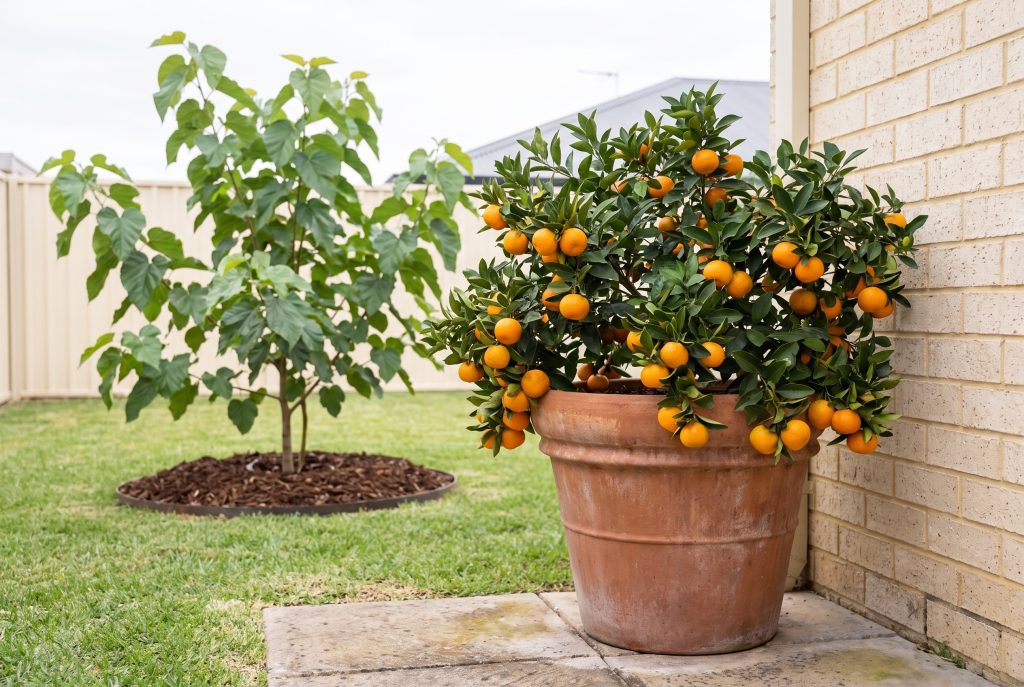
Nothing teaches patience like a fruit tree, and the kind ones are the citrus. A dwarf mandarin or a Tahitian lime in a sunny corner or a large pot starts cropping within a couple of years, the fruit peels easily for small hands, and the tree stays at a height a child can reach. Plant it with the graft union above the soil, keep the grass back from the trunk, and feed it in spring and late summer.
If there is room for a second, a mulberry is the tree children remember forty years later. It fruits early, it fruits heavily, and the purple fingers are part of the point. Keep it away from the washing line and the paving, and let the kids have it.
The fruit tree collection has the dwarf citrus, the mulberries and the stone fruit that suit a backyard, with notes on which ones need a second tree to set fruit.
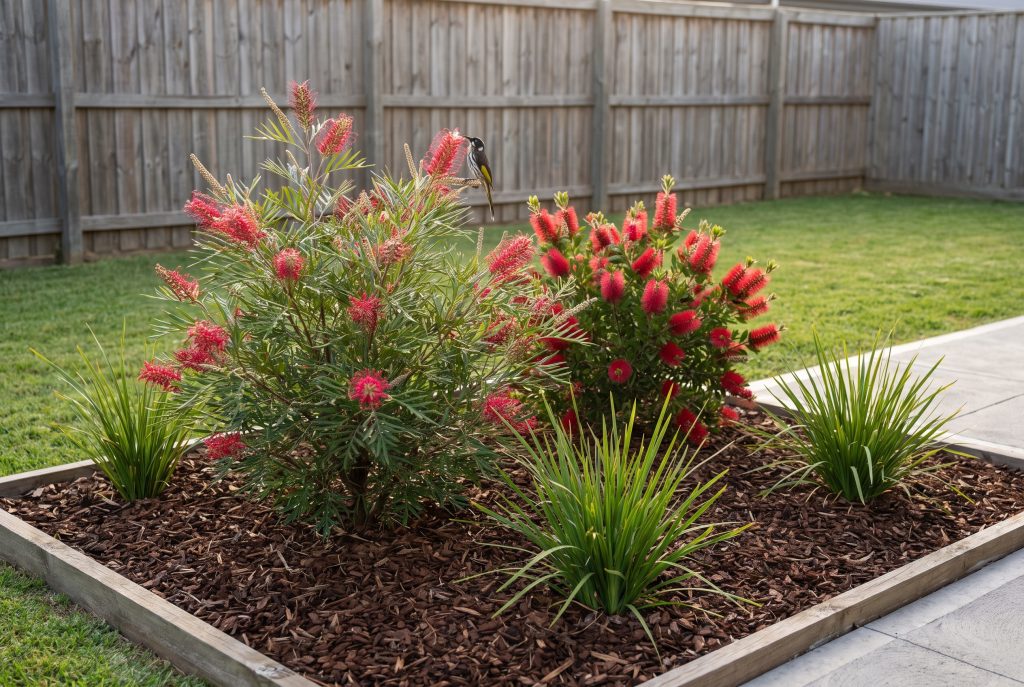
Weekend Three: A Corner for the Birds
A patch of native plants is the cheapest nature lesson there is. A grevillea, a bottlebrush and a couple of tufts of lomandra bring honeyeaters, wattlebirds and blue banded bees into the yard within a season, and a child who has watched a wattlebird feed from a grevillea they planted does not forget it. Natives want full sun, a native fertiliser rather than a general one, and not much else. Plant them a little high so water drains away from the stem, and water deeply once a week for the first summer rather than a sprinkle every day.
Two to leave out of a garden where small children play: grevilleas with a very prickly leaf, and anything in the oleander family. The Australian natives collection carries the soft leaved grevilleas and the bird attracting shrubs that suit a family yard, and it is worth ten minutes choosing by flower colour with the children.
The Rules That Make It Work
Plant in the cooler part of the day, early or late. Water everything in the morning so leaves dry before dark. Put the fertiliser and any snail bait on a high shelf, and use the iron based pellets if you use any at all. Give each child one plant that is theirs alone, with their name on a paddle pop stick pushed into the soil, and the morning job of checking whether the soil is dry a finger deep. Expect to lose a plant or two to overwatering and a few berries to the birds. The garden a child helped plant is the one they will still talk about when they have children of their own.
Isaac Olson is a director of Nursery Near Me, an Australian online nursery that publishes more than 300 free plant care guides.