The Engagement Ring Choices Reflecting How Modern Couples Actually Think About Marriage
Sponsored post
You’ve probably noticed the shift if you’ve paid attention to engagement announcements over the past few years. The rings look different than they used to. The stones aren’t always diamonds. The settings aren’t always the same classic solitaire shapes. The stories behind the choices have become more individual and more considered than they once were. What’s happening on fingers across Australia reflects something deeper than a passing style trend. The way couples approach engagement rings has shifted in ways that mirror how modern marriage itself has evolved, with more thought, more personalisation, and more intentionality shaping decisions that were once made according to a fairly standardised cultural script. Looking at the specific choices modern couples are making reveals a lot about what marriage has come to mean to them.
The Shift from Symbol to Statement
What’s changed in the role an engagement ring is expected to play comes down to how couples now think about what the ring is actually for. For much of the twentieth century, engagement rings followed a fairly standardised template, with the diamond solitaire establishing itself as the default option through decades of coordinated marketing, most famously the mid-century campaign that gave us the phrase about diamonds lasting forever. The “three months’ salary” rule set an expected spend level that shaped how much couples felt they should invest. The ring functioned primarily as a visible symbol of commitment and often of the proposing partner’s financial status.
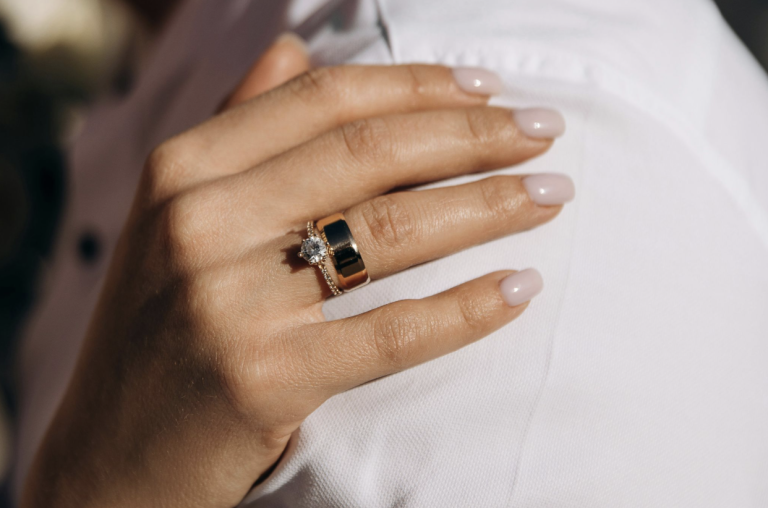
Modern couples are increasingly treating the ring as a statement about who they are together rather than a template to follow. Personalisation, individual meaning, and the specific story behind the ring matter more than conformity to a general standard. Couples want their ring to reflect something about their relationship, their aesthetic, their values, and the life they’re planning to build. This shift mirrors broader changes in how couples approach marriage itself, with more emphasis on what the relationship means to them specifically rather than fitting into a predetermined cultural script. The ring choice becomes an early expression of the same intentionality couples are bringing to everything else about their partnership.
Why Ethical Sourcing Has Become Central to the Decision
A specific area where modern couples are thinking differently about their engagement ring choice is around where the stones actually come from. Awareness of the complicated history of diamond sourcing, including conflict stones and labour issues in some supply chains, has shifted buyer expectations significantly. Documentaries, articles, and ongoing reporting on mining practices have made the provenance of gemstones a question couples now actively ask rather than assume.
Couples increasingly want to know where their stone was mined, by whom, under what conditions, and with what environmental impact. The provenance of the ring has become part of the meaning couples want it to carry rather than an abstract detail. Traceable, responsibly sourced stones from countries with strong labour and environmental regulation have gained ground as options that align with how modern couples want to think about what they buy. Australian-sourced gemstones with documented origin have found particular appeal for couples wanting both a beautiful stone and clear local provenance they can point to. This shift reflects broader changes in how couples approach consumption generally across their lives, with more attention paid to the full story behind the objects they bring into their homes and commit to wearing or keeping for decades.
The Move Toward Coloured Stones and Personal Choice
How the range of what couples choose has expanded significantly over recent years. Sapphires, emeralds, rubies, and other coloured stones have moved from unusual choices to mainstream options, with each offering characteristics that appeal to couples wanting something more distinctive than a graded white diamond. The visibility of coloured stones through celebrity engagements, indie designers, and alternative wedding content has reset what couples see as acceptable and desirable options.
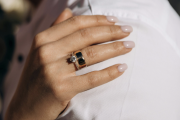
Blue sapphires in particular have become a leading alternative, offering durability close to diamond at nine on the Mohs hardness scale, a genuinely wide range of blue tones from pale cornflower through to deep royal and teal, and historical lineage as engagement stones predating the modern diamond era by centuries. The Duchess of Cambridge’s sapphire continues to influence what couples ask for in jewellers across the country. Choosing a sapphire engagement ring has become one of the ways Australian couples signal considered personal choice rather than default convention, with Australian-sourced sapphires offering the additional appeal of clear local provenance from mines in Queensland and New South Wales. The move toward coloured stones reflects couples wanting the ring itself to say something specific about them rather than fitting into a universal template that applies equally to everyone.
The Practical Shift in Budget Thinking
How couples are thinking about what to spend has shifted in ways that reflect broader changes in financial planning. The old “three months’ salary” rule has lost most of its cultural hold, with couples increasingly rejecting the premise that the ring should represent a specific proportion of income. The rule was always arbitrary, originating in marketing rather than tradition, and modern couples feel less bound by it than previous generations did.
Instead, modern couples are thinking about the ring as one investment among several they’re making in their life together, including the wedding itself, housing deposits, shared financial goals, and future family planning. The ring budget sits within that broader context rather than being set by an arbitrary rule disconnected from actual financial circumstances. Many couples are also prioritising lifetime value over initial impression, choosing well-made pieces with durable stones and quality settings that will last decades rather than larger stones in compromised settings that look impressive initially but need expensive maintenance or replacement. The shift reflects a more mature approach to how major life purchases fit into overall financial planning, with couples increasingly treating the ring as part of long-term thinking rather than an isolated statement purchase.
What These Choices Reveal About Modern Marriage
The deeper pattern emerging across all these specific choices tells a story about how modern marriage itself is being thought about. Modern couples are approaching marriage with more intentionality, more conversation, and more individual consideration than previous generations typically did. Decisions that were once made according to cultural scripts, including the engagement ring, the wedding format, the roles each partner plays within the relationship, and the life structure that follows, are increasingly being made through genuine conversation about what actually works for the specific couple.
The engagement ring choice becomes a small but meaningful early example of this broader pattern. Couples who choose considered, personalised, values-aligned rings are often the same couples who approach the rest of marriage with similar intentionality. They talk about what they want their partnership to look like. They think about finances, family planning, and life structure as choices rather than defaults. They treat their relationship as something they’re building together rather than fitting themselves into. The ring serves as a daily reminder not just of the commitment itself but of the specific thinking the couple brought to it, which is a different kind of meaning than the universal symbol the ring once was expected to be.
- Modern engagement ring choices reflect broader shifts in how couples approach marriage, with more personalisation and intentionality than previous generations typically brought
- Ethical sourcing has become central to the decision for many couples, with traceable provenance and responsibly sourced stones aligning with how they want to consume generally
- Coloured stones, particularly sapphires, have moved from unusual choices to mainstream options that let couples signal considered personal choice rather than default convention
- Budget thinking has shifted from arbitrary percentage rules to seeing the ring as one investment within broader life planning, with more emphasis on lifetime value than initial impression