Squishy Toys Are Everywhere Right Now. Here’s What the ACCC Wants Parents to Know
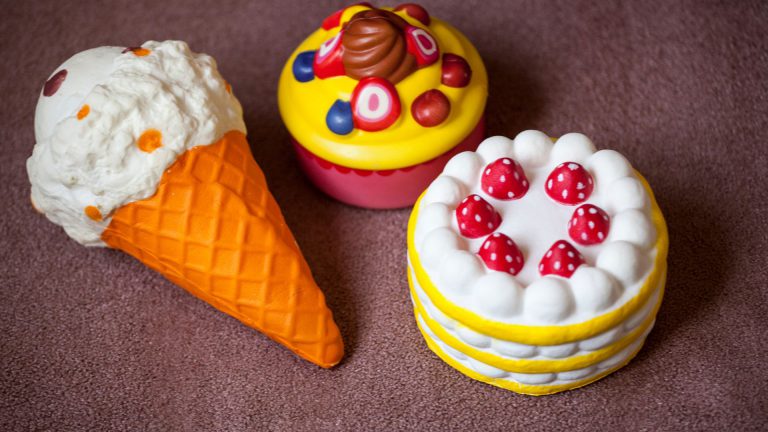
There’s a good chance one of these is sitting in your car right now, in a school bag, or wedged in between the couch cushions. Squishy toys have quietly taken over as the go-to cheap toy — and the Australian Competition and Consumer Commission (ACCC) has just released a guide on what to actually watch out for.
Most squishy toys are fine. But a few are worth a closer look, and the ACCC guide makes it easier to spot which ones.
What the ACCC is Actually Flagging
The concern isn’t squishy toys as a category, it’s the cheap, untraceable ones that slip through without proper safety checks. According to the ACCC, squishy toys can be unsafe if they contain harmful chemicals or small parts, or if they split, leak or release their filling — think gel, beads, or other stuffing. There have also been reports of skin or eye irritation, and in some cases symptoms like nausea, headaches or dizziness after contact with certain toys.
The riskier ones tend to be the cheap, no-name products — the kind bought without any real information about who made them or what’s in them.
And then there’s the one most of us wouldn’t think to check: heat. If a squishy toy gets hot — think hot car, near a heater, in direct sun on a windowsill — it can burst or leak, and that hot filling creates a real burn risk.
If Your Child Has Been Exposed
If a child has swallowed part of a squishy toy, been exposed to its contents, or is showing symptoms like skin or eye irritation, nausea, headaches or dizziness after contact, call the Poisons Information Centre on 13 11 26 — it’s a 24/7 line for exactly this kind of situation. If your child is having trouble breathing, is unconscious, or you think it’s a medical emergency, call 000 straight away.
It’s also worth keeping the toy (or a photo of the packaging) on hand if you can — it makes it much easier for the Poisons Information Centre or a doctor to advise you on next steps.
The Checklist Worth Screenshotting
When buying:
- Avoid products with a strong chemical smell, weak seams, loose beads, leaking contents, or small parts that could detach
- Check the recommended age — squishy toys aren’t suitable for babies or toddlers
- Look for clear safety information, including ingredient or material details where available, plus supplier information
- Buy from reputable businesses that provide safety information, return options and customer support
Once you’ve got it home:
- Supervise young children when they’re playing with squishy toys, and keep them away from babies and toddlers altogether
- Discourage children from putting squishy toys in their mouth, and encourage handwashing after play
- Check squishy toys regularly for tears, leaks, loose beads, sticky residue and strong or unusual smells
- Throw away damaged toys straight away so children can’t access them
- Store squishy toys in a cool, dry place — don’t heat them in a microwave or leave them in hot cars, as they can burst or melt and release hot contents, which can cause burns
Want the full details? You can read the ACCC’s complete squishy toy guide here.
This is general information only. If you’re ever unsure or your child is showing symptoms, contact the Poisons Information Centre or your doctor for advice specific to your situation.
Explore other popular topics:








Jolene
Jolene enjoys writing, sharing and connecting with other like-minded women online – it also gives her the perfect excuse to ignore Mount-Washmore until it threatens to bury her family in an avalanche of Skylander T-shirts and Frozen Pyjama pants. (No one ever knows where the matching top is!) Likes: Reading, cooking, sketching, dancing (preferably with a Sav Blanc in one hand), social media, and sitting down on a toilet seat that one of her children hasn’t dripped, splashed or sprayed on. Dislikes: Writing pretentious crap about herself in online bio’s and refereeing arguments amongst her offspring.