What No One Tells You About Postpartum Recovery (And How to Actually Prepare)
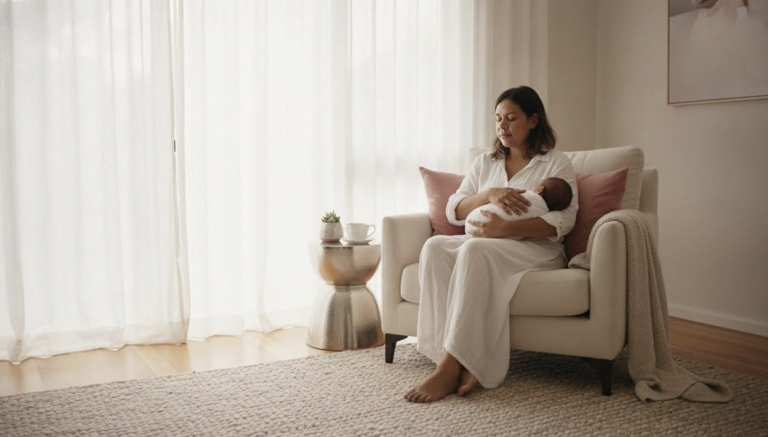
In partnership with Ninja Mama
We spend months preparing for birth. The classes, the hospital bag lists, and the books about what to expect during labour. But ask most mums what happens after the baby arrives, physically, to their own bodies, and you might be met with a blank stare. Many of us simply have no idea what to expect after our baby arrives, besides the endless nappy changing, feeds and sleepless nights, and let’s face it, we’re not even really prepared for that!
And it’s not just anecdotal. Ninja Mama’s State of Postpartum 2026 report surveyed Australian mothers about their recovery experience, and the numbers back up what many of us figure out the hard way. Only 35% of respondents felt prepared for postpartum recovery and when mothers were asked how blindsided they felt by what recovery actually involved, using a scale of 0 to 10, the average score was 7.
Seven out of ten. Think about that for a second. Most of us go through one of the biggest physical events of our lives having basically no idea what to expect.
Why Postpartum Recovery Changes Over Time
Here’s the thing about recovery that many of us don’t know. Recovery, (sometimes called the fourth trimester and generally referring to the first 12 weeks after birth), comes in stages.
The first few days can be intense, with heavy bleeding, swelling and perineal soreness, where even everyday activities like sitting can be uncomfortable. Then as the days turn into weeks, things change. Bleeding lightens and the acute soreness starts to ease, and this is often the phase where we think we need to suck it up and soldier on. But the healing phase hasn’t actually finished. It’s just moved into a slower, less obvious phase.
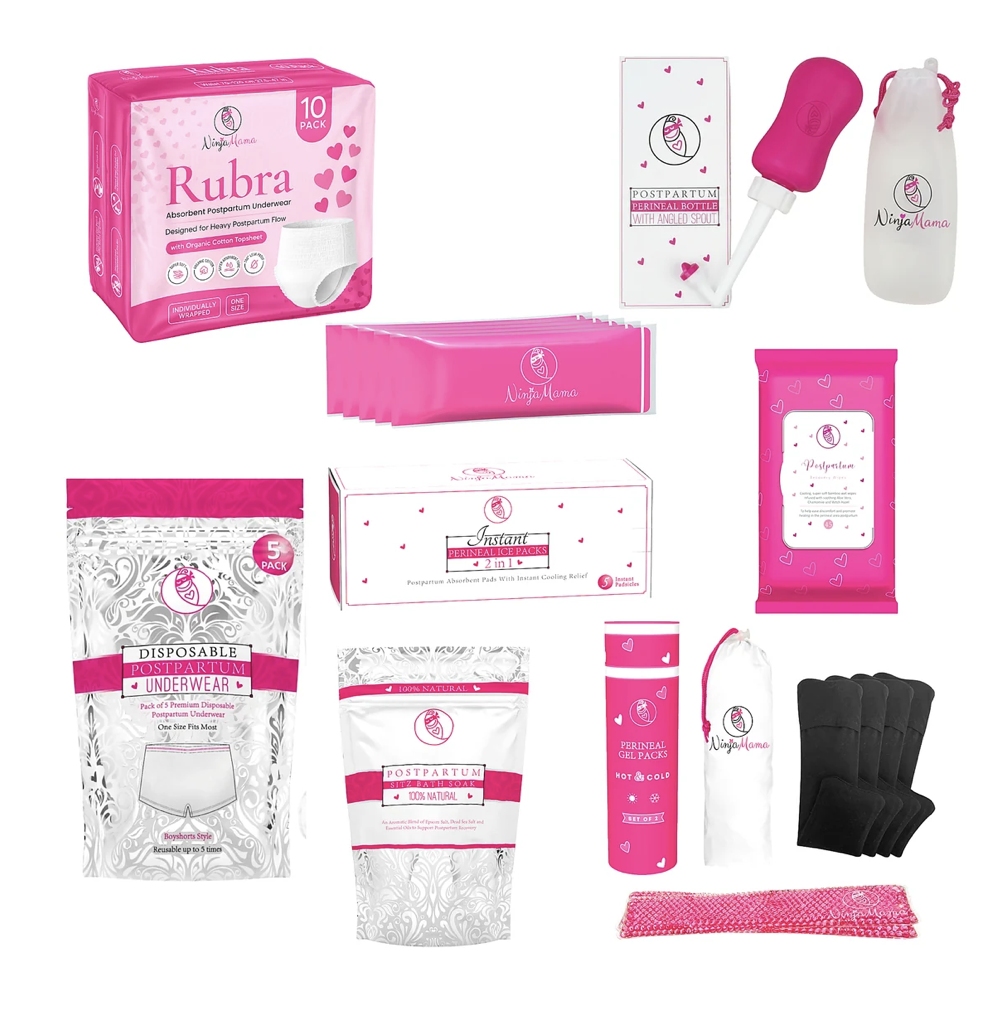
This is really the whole idea behind Ninja Mama’s Complete 2-Stage Postpartum Recovery System. It’s built around the fact that what your body needs early on isn’t the same as what it needs as things progress. And that’s exactly the kind of thing most of us would benefit from learning during pregnancy, so we have a chance to prepare for it, rather than figuring it out as we go.
@mumslounge Packing your hospital bag and only thinking about the baby? Same, until my second birth. As a pharmacist, I know your body needs just as much care post-birth as bub does. This time I used Ninja Mama’s 2-Stage Recovery System, Stage 1 for the first heavy, sore days in hospital, Stage 2 for the weeks after when you’re home and still healing, just differently. Your body has earned proper support whether you had a vaginal birth or a caesarean. Save this for your third trimester prep list📌🤍 . . . #PostpartumRecovery #NinjaMama #HospitalBagEssentials #ThirdTrimester #FourthTrimester ♬ original sound – Mums Lounge
Stage 1: Hospital and Early Postpartum Recovery
The first few days after birth call for products built specifically for heavy bleeding and acute discomfort, not whatever you happen to have left over in the bathroom cabinet.
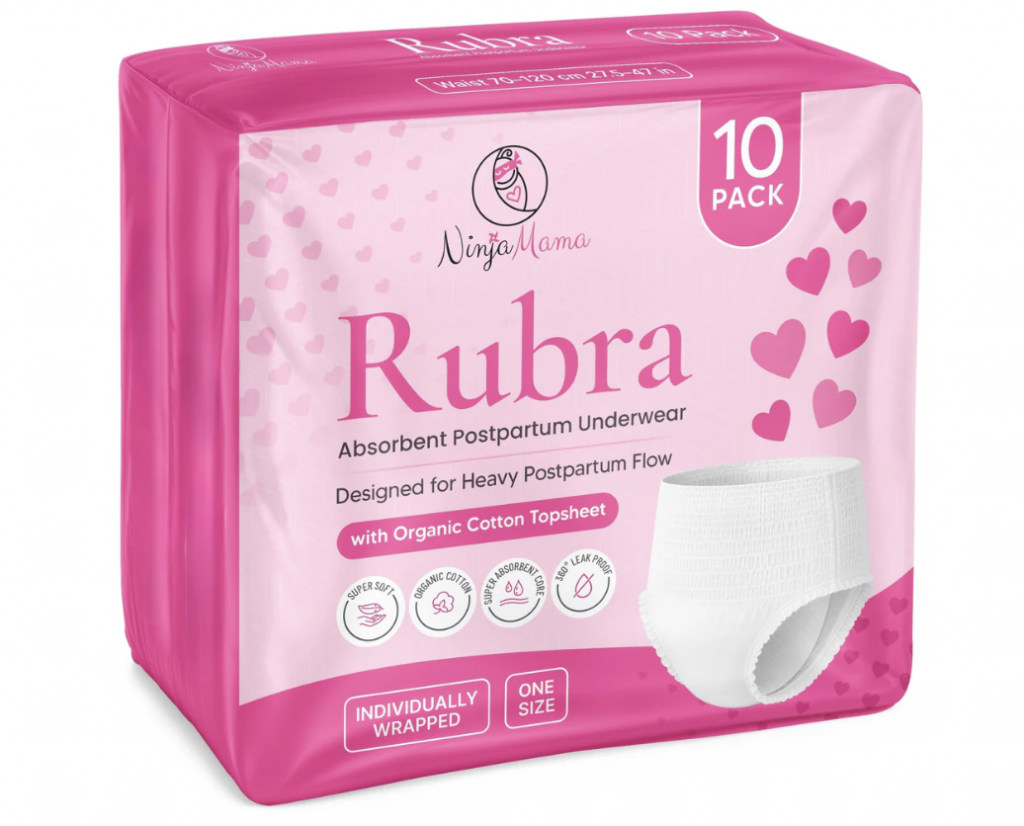
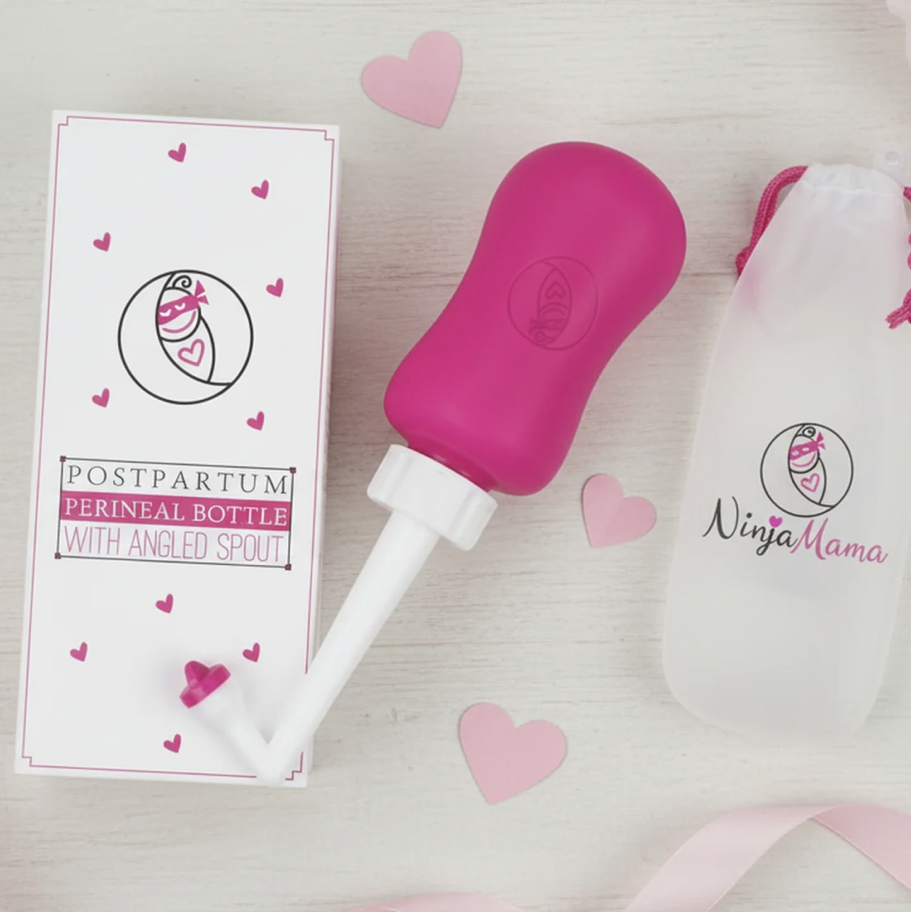
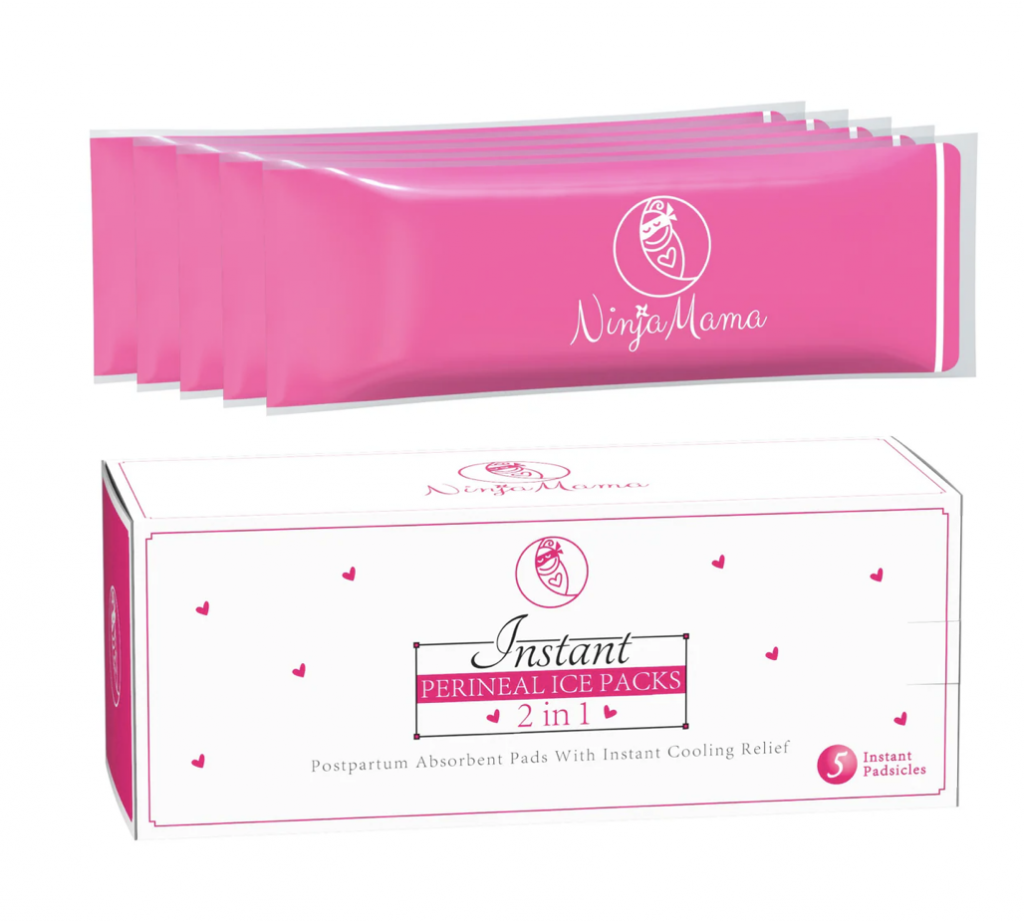
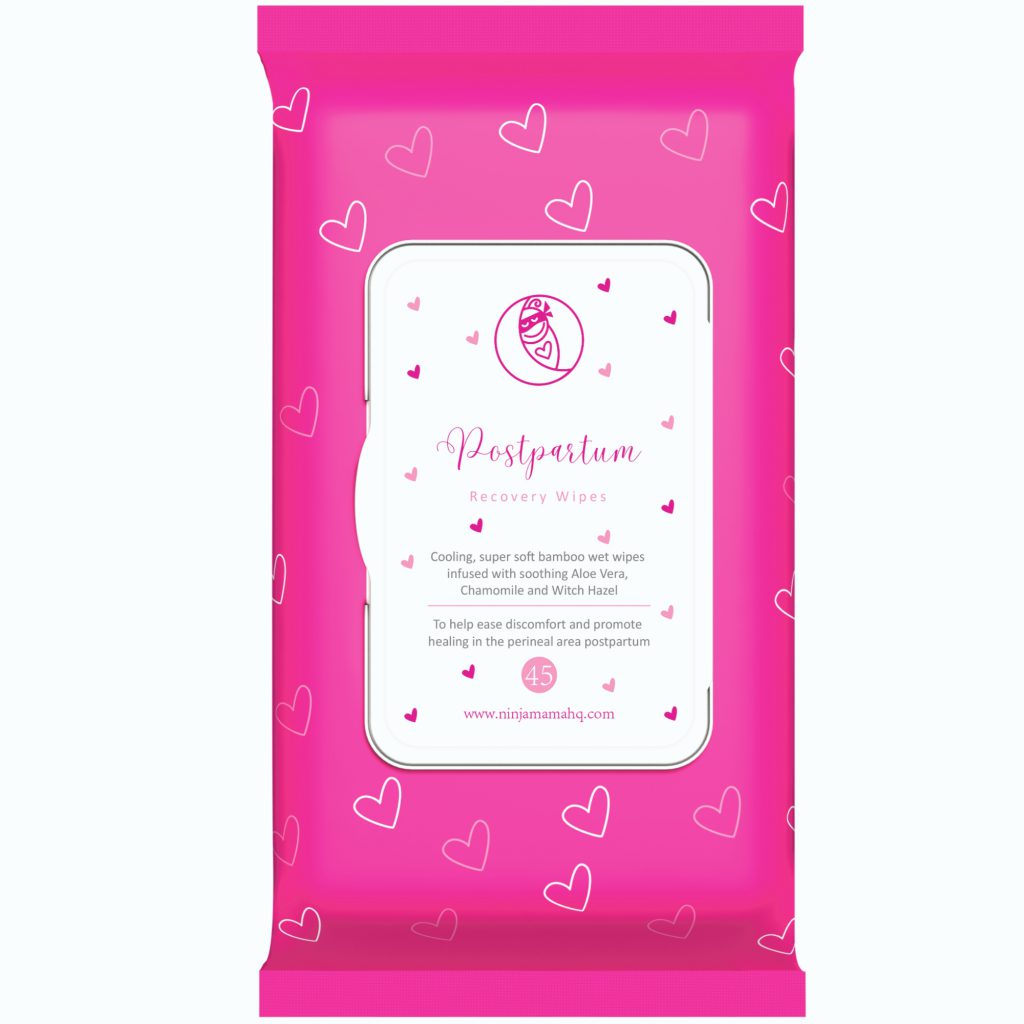
Rubra® Absorbent Postpartum Underwear is designed to handle those first heavy days without you having to think twice about it. Pair that with the Peri Bottle for gentle, targeted relief when using the bathroom feels like the last thing you want to do, and Instant Perineal Ice Packs for that first wave of swelling and soreness. Round it out with Postpartum Recovery Wipes/Pad Liners, and you can ease some of the early discomfort you’ll experience in the days after your baby has been born.
So, when you are packing your hospital bag, take as much thought for your own recovery as you do for the labour and your baby’s arrival.
Stage 2: Recovery at Home
As bleeding becomes lighter and the initial intensity starts to settle, what your body needs starts to shift too. This is where a lot of mums, understandably, assume recovery is basically done. It isn’t. It’s just changed shape.
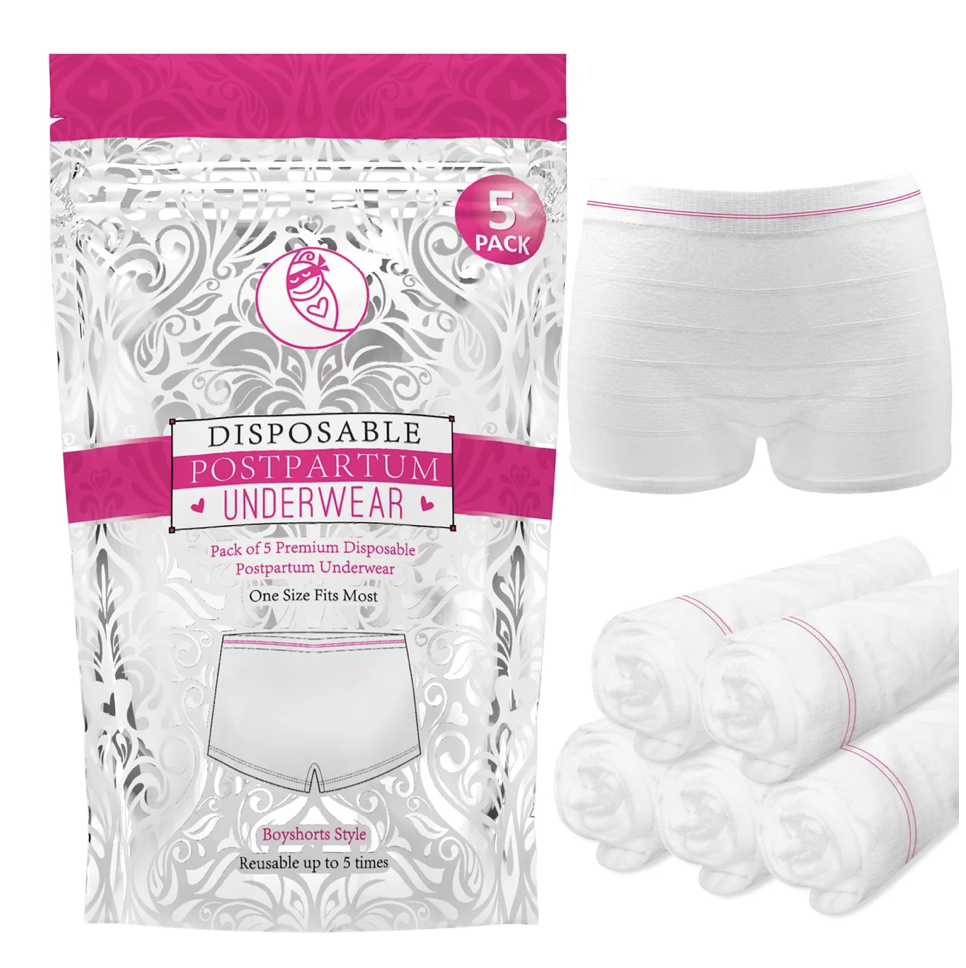
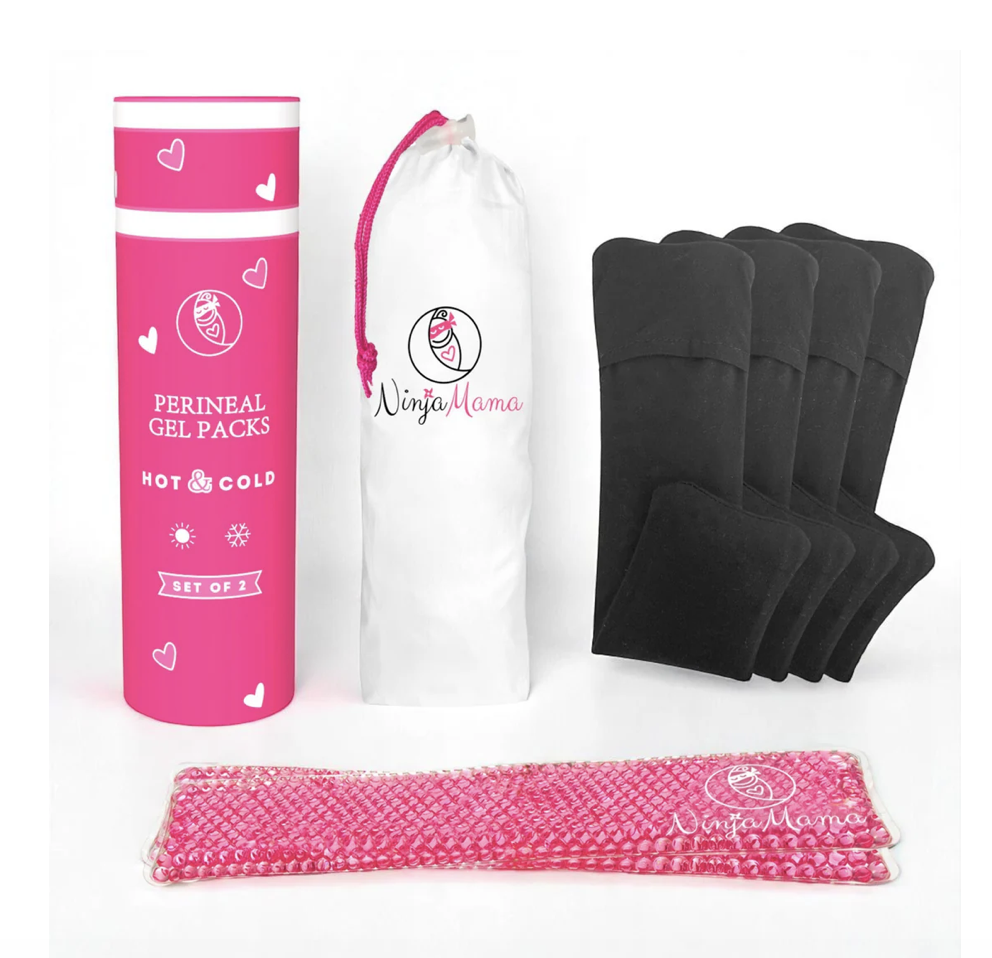
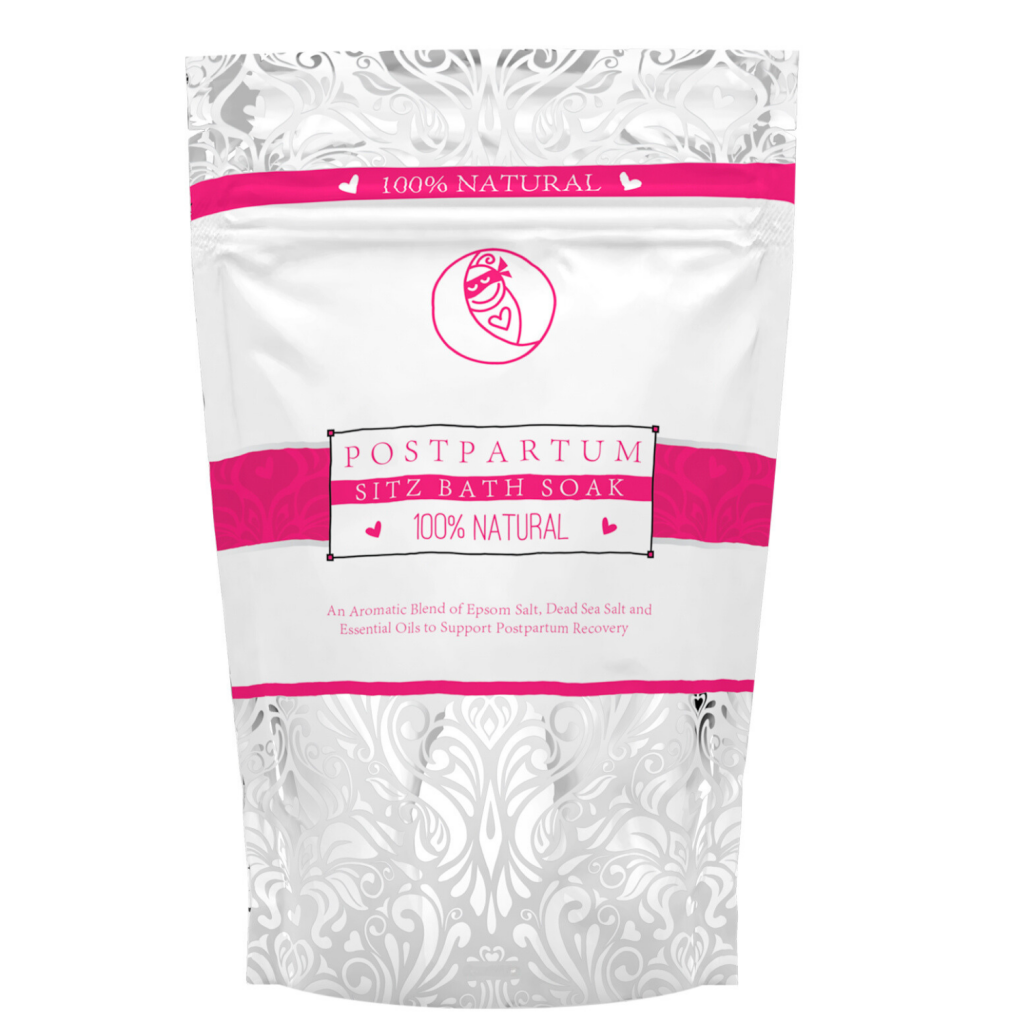
Serosa® Postpartum Underwear, used with a maternity pad, is built for this everyday, ongoing stage rather than the acute early one. Alongside that, Reusable Perineal Ice or Heat Therapy Packs and the Sitz Soak support the slower, less obvious healing that’s still happening, even though things may look and feel better from the outside.
Recovery at home isn’t an afterthought tacked onto the “real” recovery in hospital, it’s its own stage, with its own needs, and treating it that way tends to make the weeks that follow feel a lot more manageable.
Why Preparing Ahead Actually Matters
This is perhaps the most telling part of the report. Of the mothers surveyed, 78% said their physical recovery negatively impacted their mental wellbeing. Not the birth itself. The recovery afterward.
That’s not a small statistic. And when you look at it alongside the finding that most guidance mums receive at discharge tends to focus on the baby, with comparatively little practical instruction on healing themselves, it starts to make a lot more sense. If you don’t know what’s coming, and you don’t feel supported once it arrives, it’s going to take a toll, and that’s not down to anything mums are doing wrong, it points to a gap in the support system around them.

Preparing before birth, even just having the right products already sorted so you’re not googling “is this normal” from the bathroom at 2am, genuinely does make a difference to how manageable those early weeks feel. It’s not about adding another thing to your to-do list, it’s about not having to figure everything out from scratch while you’re also learning to feed and settle a newborn.
It’s also worth noting that many Ninja Mama products are TGA-registered medical devices, meeting Australian regulatory requirements for safety and function, which is important when you’re healing from childbirth.
And recovery doesn’t always wrap up neatly by the six- or twelve-week mark either. Many mums are given the all clear at their six-week check up, but healing, especially around the pelvic floor, can continue well beyond that, and for some it’s an ongoing process for months. That’s not a sign something has gone wrong, it’s simply a reminder that recovery is individual, and it pays to keep listening to your body and checking in with your healthcare provider well after the early weeks are behind you.
Recovering With Confidence
This isn’t about doing recovery a certain way or ticking every box. It’s simply that when you understand recovery happens in stages, and you’ve got the right support for each one, from the 2-Stage Postpartum Recovery System hospital bag essentials right through to the at-home stage, you’re not left blindsided the way so many of us were.
You put thought and preparation into birth, it makes just as much sense to do the same for what comes after.
Ninja Mama is an Australian brand founded in 2018 by Louise, a mum of two based in Perth, built around the belief that healing after birth deserves as much care and preparation as the birth itself. The range is designed to support recovery from both vaginal and caesarean births and is recommended by midwives and trusted by thousands of Australian mums. Through the 2-Stage Postpartum Recovery System and ongoing research like the State of Postpartum report, Ninja Mama is working to close the gap between how well we prepare for birth and how well we prepare for what comes after. Because recovery changes, so your care should too.
This article is intended for general information and educational purposes only and is not a substitute for professional medical advice. Every recovery is different, and any product use should be discussed with your doctor, midwife or other qualified healthcare provider, particularly if you have specific medical conditions, complications or an unhealed wound.
Explore other popular topics:









Jolene
Jolene enjoys writing, sharing and connecting with other like-minded women online – it also gives her the perfect excuse to ignore Mount-Washmore until it threatens to bury her family in an avalanche of Skylander T-shirts and Frozen Pyjama pants. (No one ever knows where the matching top is!) Likes: Reading, cooking, sketching, dancing (preferably with a Sav Blanc in one hand), social media, and sitting down on a toilet seat that one of her children hasn’t dripped, splashed or sprayed on. Dislikes: Writing pretentious crap about herself in online bio’s and refereeing arguments amongst her offspring.