This Dad Traced His Son’s Respiratory Sensitivities Back to the Cleaning Cupboard
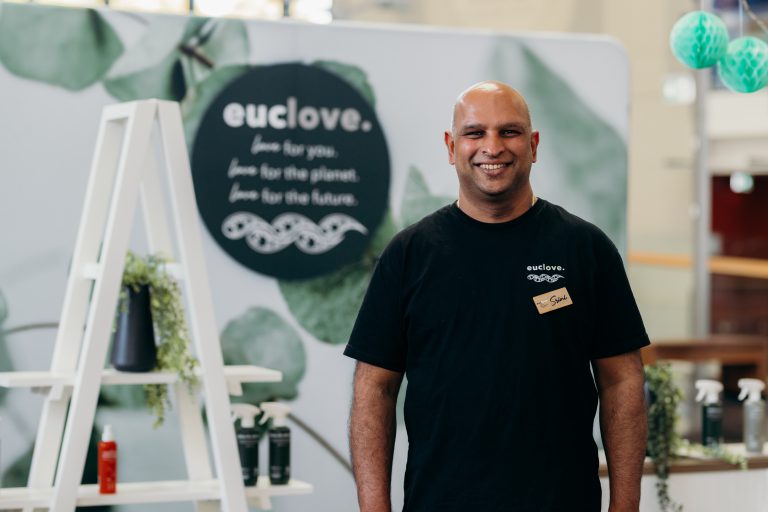
Srini and Chelsy didn’t set out to build a cleaning brand. They were just trying to work out what was behind their son’s respiratory sensitivities.
“I clearly remember wiping down the coffee table with a mainstream multipurpose cleaner when he was about 18 months old,” Srini explains. “Almost immediately, he started coughing violently. Looking back, I also realise I had asthma myself at the time, but it had never been diagnosed.”
They started looking harder at what was actually in their cleaning products. Ammonia, chlorine bleach, synthetic fragrance, the usual suspects that sit under most Australian sinks.
How Concerned Should We Be About What’s in Our Cleaning Products?
A study published in the Canadian Medical Association Journal followed more than 2,000 children and found infants living in homes with frequent use of cleaning products were more likely to develop wheeze and asthma by age three, with researchers pointing to possible damage to the cells lining the respiratory tract (CMAJ, 2020). A separate systematic review and meta-analysis pulling together data from 16 studies found a strong association between exposure to household cleaning agents and paediatric asthma (International Journal of Environmental Health Research, 2025). Closer to home, an Asthma Australia survey of people with asthma found that 29% reported their symptoms getting worse alongside increased use of cleaning products during the COVID-19 pandemic.
None of that means every cleaning product in every home is a problem. But it’s enough to explain why a couple dealing with their son’s respiratory sensitivities went looking for another way. And it turned out the clue had been sitting in the family all along, with Chelsy’s mum, Pat.
The Remedies That Came Before
Pat is a seventh-generation Australian who raised five kids on her own, and had managed her kids’ asthma and allergies for years using eucalyptus and tea tree oil around the house, long before “low-tox” was a phrase anyone used.
“She was a massive green thumb and has always loved all things natural. Eucalyptus & Tea Tree were her go to. When I introduced her to Clove and Neem oils from India, she fell in love with them and started using them in her blends.”
Srini and Chelsy went back to those same remedies for their own son. And because Srini grew up with his own Indian heritage, they incorporated clove and neem, both staples in Ayurvedic practice.
From the Kitchen Table to the Shelf
As their homemade formulations became increasingly popular amongst their family and friends they realised there was a gap in the market for natural cleaning products that actually work, are affordable and aren’t natural just for the sake of it.
“My sister-in-law Heidi was managing a couple of homeware stores and she brought home a product from her shop that she said smelled like what we were making. It was a 500 ml bottle they were selling for $30 or $40. Because we were making them at home, we knew the real cost of ingredients. We started thinking about why natural products were so much more expensive on the market. How can a family afford to buy natural cleaners regularly at that price?
That got us thinking – but not being chemists or even liking chemistry, we wanted to find a chemist who could help us formulate. The chemists we spoke with all said the same thing. Take an off-the-shelf formulation, tweak it and add your “fragrance” and bottle it. But we wanted to understand what was in the formulation. When we finally received an ingredients list and started researching them, a lot of the ingredients were petroleum-derived, harsh on our health and even our waterways, sealife etc.
We finally just asked what natural ingredient can we use to clean and the answer was “go back to the old-school liquid soap” that you can make with Coconut oil. So, that is what we did.
After 20+ attempts, formulations and failed batches, we finally had a formulation that worked well and only had the natural ingredients we wanted and nothing more.”
Euclove launched in 2017, and it’s grown from there into a range that’s now stocked in more than 850 retailers around the country. Still Melbourne-based, still built around the same handful of ingredients that started it all: eucalyptus, tea tree, clove, neem.
It’s Not Just What’s in the Bottle
Cutting the chemicals was the starting point, but it didn’t stop at the formula. The bottles are made in Australia using 70% recycled plastic. The caps and trigger sprays are made from 100% recycled plastic too, and they’ve done away with the metal springs that usually make those parts harder to recycle. Even the cardboard boxes get reused, sourced from local businesses rather than bought new.
Selected products also come in refill formats and subscriptions, so you’re not buying a brand new bottle every single time. It’s a small thing on its own but if you’re already the kind of household trying to cut back on landfill and unnecessary plastic, every little bit helps.
If You Need Another Reason to Swap
Euclove partners with the Nurtured Village charity through advocacy, donations, and hampers put together for mums who are struggling, whether that’s isolation, overwhelm, or just not having much of a support network around them. The hampers are made up of essential household and care items, put together to offer some comfort and practical support during what can be a genuinely hard stretch of early motherhood.
It’s not the reason Srini and Chelsy started making their own cleaning products. But it’s part of what the brand has become, and it’s the kind of thing worth knowing if you’re deciding where your money goes.

Jolene
Jolene enjoys writing, sharing and connecting with other like-minded women online – it also gives her the perfect excuse to ignore Mount-Washmore until it threatens to bury her family in an avalanche of Skylander T-shirts and Frozen Pyjama pants. (No one ever knows where the matching top is!) Likes: Reading, cooking, sketching, dancing (preferably with a Sav Blanc in one hand), social media, and sitting down on a toilet seat that one of her children hasn’t dripped, splashed or sprayed on. Dislikes: Writing pretentious crap about herself in online bio’s and refereeing arguments amongst her offspring.