FAFO Parenting: Tough Love, or Just Common Sense?”

If you spend even a small amount of time on TikTok or in online parenting groups, you’ve probably already heard all about the FAFO parenting trend.
FAFO stands for “f*** around and find out.” Yes, that’s the actual acronym, softened slightly for polite company. As a parenting approach it’s pretty much the opposite of everything parents have been told to do for the last decade. No more forty-minute negotiation over shoes. Won’t wear a jacket? Fine. Be cold. Won’t eat dinner? See you at breakfast, mate.
It’s blunt. A little bit smug sometimes, if we’re honest. And it is everywhere right now.
Here’s what it actually looks like once you strip the acronym off it: instead of rescuing your kid every time they push back on being told to do something, you let the consequence do the teaching. Forgets their hat for school? That’s a bench spot at lunch, not something for you to fix. Left the good toy out in the rain? Well. It’s ruined now.
The people who swear by it say it’s not cruelty, it’s trust. You’re trusting your kid to connect what they did with what happened next, instead of doing that connecting for them, every single time, forever, while a small piece of your soul quietly leaves your body.
Which, if you’ve done gentle parenting properly for more than about six months, you already understand.

Because honestly, that’s where a lot of this is coming from. Burnout. Gentle parenting asked so much of parents: validate every feeling, narrate every moment, stay calm when your four-year-old is losing it over the wrong colour cup. And somewhere in there it stopped feeling like connection and started feeling like a second unpaid job. Guilt included, free of charge. FAFO gives you permission to just say “your choice” and actually mean it.
It’s worth pointing out too that a lot of the anger driving this isn’t really aimed at gentle parenting. It’s aimed at permissive parenting under the guise of gentle parenting. Gentle parenting was never supposed to mean no boundaries, no consequences, everyone gets a trophy for existing. But somewhere along the way that’s the version that took over a lot of feeds.
And plenty of Gen X mums will tell you they were basically doing this decades before it had a hashtag. Feel the cold, forget the lunch, live with it. Nobody called it FAFO. It was just Tuesday.
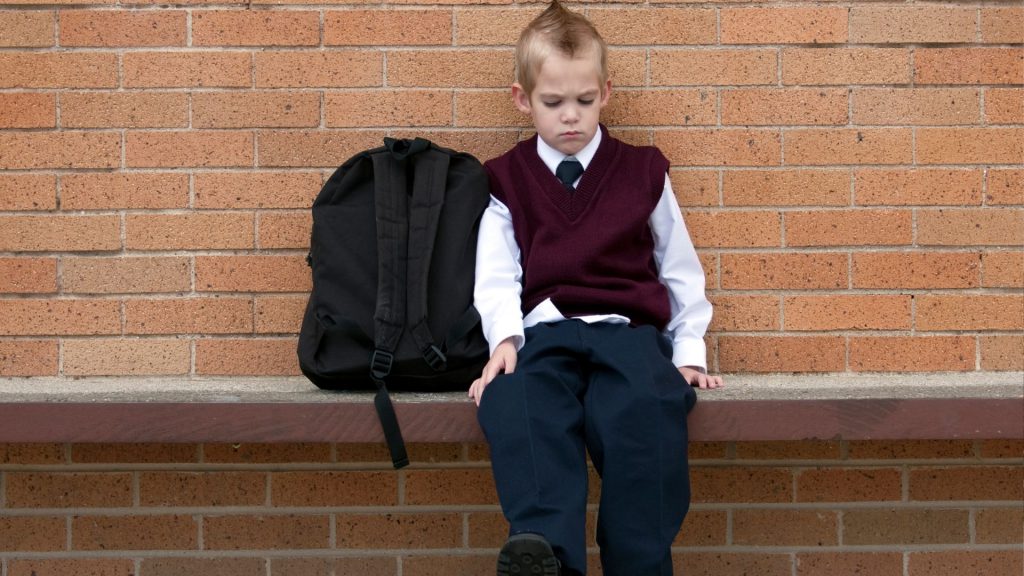
So is it good for kids? Depends who you ask. Depends a lot on how it’s actually done, too.
Psychologist Dr Robyn Koslowitz had a decent take on this, in a piece called “FAFO Parenting, But Make It Gentle”. Short version: FAFO can sit fine next to gentle parenting, if the delivery’s right. Warm, “let’s see what we learned here” energy? That’s basically authoritative parenting with a new name (the warm-but-firm style, high on both structure and support, that’s had decades of research behind it). But when it curdles into “I told you so,” when there’s a bit of satisfaction in watching your kid suffer for the lesson, that’s not really parenting anymore. That’s just payback with extra steps.
New Zealand parenting coach Justine Lamont made a similar point in RNZ’s “Is FAFO the demise of gentle parenting?”, saying the approach can get a slightly manipulative, even cynical edge to it when it becomes a gotcha instead of an actual teaching moment. And developmental psychology researcher Dr Megan Gath added something worth sitting with: just because we’re exhausted from narrating feelings all day doesn’t mean connection stops mattering.
Related article: After 15 Years in the Classroom, This Preschool Educator Says She is Seeing a Big Difference in Today’s Kids
Jenny Hale, a senior parenting coach at the Parenting Place, reckons the real issue isn’t FAFO itself, it’s parents leaving it too long to actually set the limit. Her advice: decide early, say it early, then hold the boundary while still being warm about it. Instead of dodging a meltdown all day by not answering “are we going to the mall,” just say up front, “we’re not going today,” let them be mad about it, and stay alongside them while they are. Consequences and connection, not one instead of the other.
If I’m honest, most of us were already doing some version of this. Letting the toddler feel the prickly grass instead of fighting about shoes for the fortieth time. Letting a skipped assignment turn into an actual bad mark instead of staying up till midnight fixing it for them. None of this is new. It’s just got a hashtag now.
The warm version, done with love, is worth keeping. But it does raise the question: do you think kids today need to build more resilience?
Explore other popular topics:









Jolene
Jolene enjoys writing, sharing and connecting with other like-minded women online – it also gives her the perfect excuse to ignore Mount-Washmore until it threatens to bury her family in an avalanche of Skylander T-shirts and Frozen Pyjama pants. (No one ever knows where the matching top is!) Likes: Reading, cooking, sketching, dancing (preferably with a Sav Blanc in one hand), social media, and sitting down on a toilet seat that one of her children hasn’t dripped, splashed or sprayed on. Dislikes: Writing pretentious crap about herself in online bio’s and refereeing arguments amongst her offspring.