Gained Weight Without Changing Anything? This Dietitian Explains What’s Actually Going On
Fortify Nutrition dietitian Angela Mattiuzzi breaks down three things every woman in her 40s should know about muscle, metabolism and bone health, and what to actually do about them.
If you’ve hit your 40s and started gaining weight, especially around the middle, despite eating and training the same as always, this one’s for you.
Angela Mattiuzzi, dietitian at Fortify Nutrition, hears this constantly in consults: “I’m eating the same as I always have. Nothing’s changed. So why is this happening?”
The answer isn’t willpower. It’s biology, and most women have never been told any of it. Save this one, because it explains a lot.
1. You’re likely losing muscle, and that changes everything
As oestrogen declines through perimenopause, women can lose up to 10% of their lean muscle mass. Less muscle means a lower resting metabolic rate, the baseline energy your body burns just existing. When that drops, your energy needs drop with it, which is why the exact same diet that worked at 35 can lead to weight gain at 45.
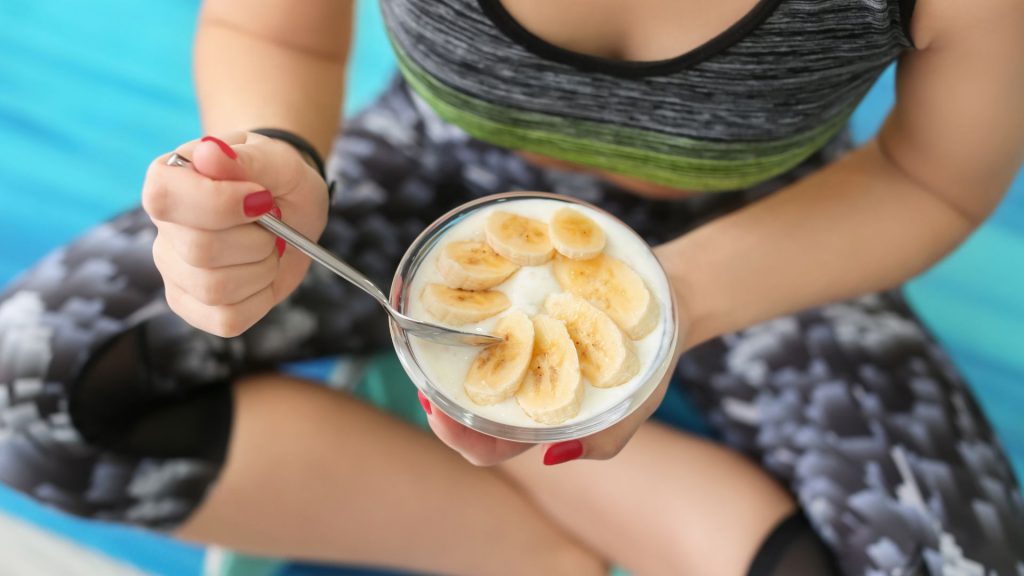
What helps: Protein at every meal, 25 to 40g at mains, not just at dinner. Two eggs for breakfast only gets you 10 to 15g, so it usually needs a boost, legumes, Greek yoghurt, a scoop of protein powder in a smoothie.
2. Cutting back makes it worse, not better
The instinct when weight starts shifting is to eat less. Angela flags this as one of the most common mistakes she sees at this life stage. Under fuelling impairs recovery, raises injury risk, disrupts hormones, and can stall your metabolism further. It’s addition, not restriction, that actually moves the needle.
3. Your bones are quietly affected too
The same drop in oestrogen driving muscle loss is also driving bone loss, up to 20% during this stage. One in two women will develop osteoporosis. Calcium and vitamin D are the two nutrients to watch. Calcium isn’t just a dairy thing either, fortified plant milks, calcium-set tofu, tinned salmon or sardines, and tahini all count. Vitamin D mostly comes from sun exposure, which drops off over winter, so a periodic blood check is worth putting on the calendar.
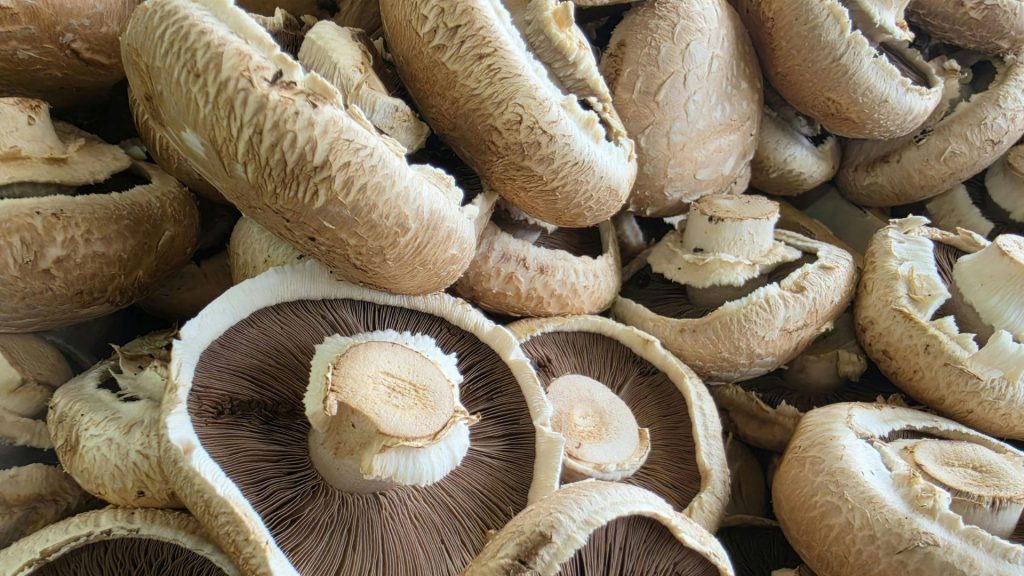
A fact worth screenshotting on its own: mushrooms left gill-side up in the sun for 15 minutes convert UV into a full day’s worth of vitamin D. Genuinely one of the easiest wins in nutrition, and it isn’t destroyed by cooking.
None of this needs a full diet overhaul. It’s about knowing your requirements have changed and adjusting with small, consistent additions.
Your starting point through this stage is unique to you, depending on how much muscle you’ve already lost, whether strength training is part of your week, and what your actual routine looks like day to day. That’s the gap a checklist can’t close for you. Angela consults with women specifically through perimenopause and menopause transition, working out protein and calcium targets that fit around meals you’d actually make rather than handing you a supplement list, and factoring in your movement and activity levels so the plan matches what your body is doing, whether that’s structured training or simply staying on your feet through the day. Consults are done over Telehealth, so it’s a session from home rather than a trip to the clinic, and she continues with check-ins as your needs and symptoms shift rather than leaving you with a one off plan to figure out alone. Click here to book a consultation with Angela.
 Angela Mattiuzzi
Accredited Practising Dietitian
Angela has experience across hospitals, community health, and early childhood settings, working with a wide range of clients and health conditions. She has a strong interest in women’s health, gut health, and weight management, with a focus on practical, realistic nutrition strategies that fit into everyday life. Alongside her clinical work, Angela contributes to cancer prevention and advocacy through her role with Cancer Council NSW, reflecting her broader commitment to long-term health and prevention. She works closely with women through postpartum recovery and the perimenopause and menopause transition, helping them rebuild strength and energy in a way that actually fits real life.

Jolene
Jolene enjoys writing, sharing and connecting with other like-minded women online – it also gives her the perfect excuse to ignore Mount-Washmore until it threatens to bury her family in an avalanche of Skylander T-shirts and Frozen Pyjama pants. (No one ever knows where the matching top is!) Likes: Reading, cooking, sketching, dancing (preferably with a Sav Blanc in one hand), social media, and sitting down on a toilet seat that one of her children hasn’t dripped, splashed or sprayed on. Dislikes: Writing pretentious crap about herself in online bio’s and refereeing arguments amongst her offspring.