How Energizer’s New Button Battery Could Save Your Child’s Life If They Swallow It

I work in emergency, and unfortunately, I see panicked parents and their little ones a lot. A battery has gone missing from the key fob, or the back has popped off the garage remote and is found empty on the floor. Was it the dog? Did it roll under the couch? Or did your toddler eat it?
A lot of the time parents aren’t even sure if the battery has been swallowed, but that doesn’t matter. Until we can prove otherwise, we treat it as a medical emergency.
Why We Take It So Seriously
It might sound dramatic, but once you know what’s actually happening inside the body when a battery is swallowed, you’ll understand why we take it so seriously.
A swallowed button battery doesn’t just sit there or work its way out of the body the way a coin might. Saliva reacts with it and generates a current, and that current can start burning through tissue in as little as 15 minutes. Left long enough, it can burn all the way through the oesophagus.
That’s what makes these new Energizer batteries a no-brainer for parents.
Energizer’s New Button Battery Safety Features Explained
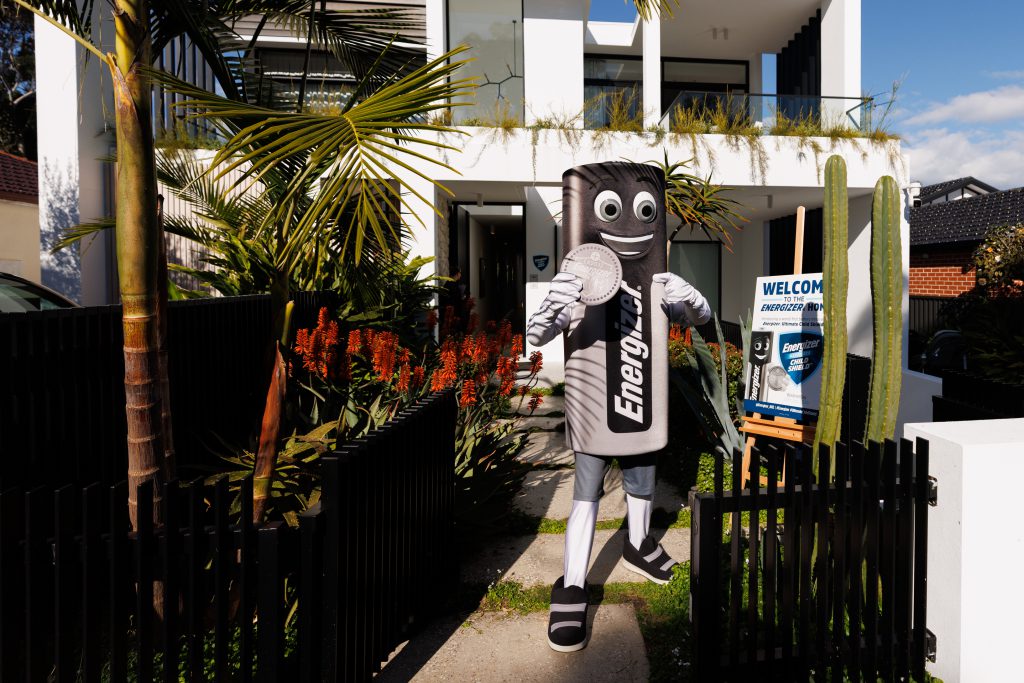
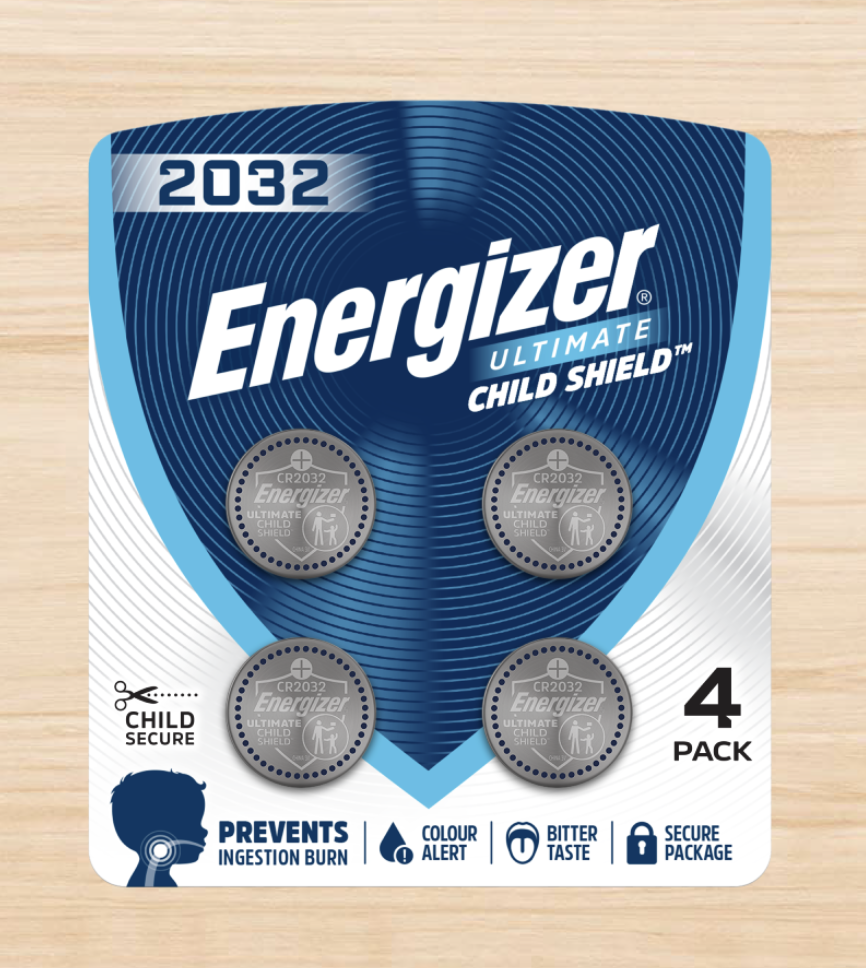
Last week I went along to the launch of Energizer’s new Ultimate Child Shield range (they come in the common 2032, 2025 and 2016 sizes, the ones in remotes, key fobs, toys and trackers), and honestly, as both a parent and a medical professional I am genuinely impressed.
- Child-Resistant Packaging — Energizer were the first brand to launch child-resistant packaging, to help stop kids getting into the batteries in the pack
- Non-Toxic Bitter Coating — a bitter coating on the cell itself, to discourage a child from swallowing it
- World’s Only Colour Alert Technology — once saliva touches the battery, it visibly dyes the mouth blue, giving carers a fast, visible signal to act
- NEW Ingestion Burn Protection — the world’s only coin lithium battery that prevents ingestion burns. A proprietary titanium alloy stops the chemical reaction that causes burning before it can start
It’s the combination of visibility and buying time that can make a huge difference to the outcome. It gives parents something they’ve never had before in this type of situation, a visible warning, and time to act. That changes the outcome for the child and makes things easier for parents and clinicians too.
The Part Most Parents Don’t Think About
Prevention matters just as much to me as what happens once a battery has already been swallowed. And it’s not just about the batteries themselves.
A lot of it comes down to how these batteries end up in our homes without us giving it a second thought. When you buy from online marketplaces like Temu and Amazon, it’s important to remember that toys imported from overseas don’t have to meet Australian standards. That means you could be handing your child a toy with no child-proof battery compartment, no screw, just a little flap a toddler can easily pop open.
Garage door remotes are another common culprit. Often, they sit in a drawer or car console and are easy to prise open, yet we forget to treat them as something that should be kept away out of reach.
What To Do If You Think Your Child Has Swallowed a Button Battery
If you think your child has swallowed or inserted a button battery:
- Go straight to your nearest emergency department, or call 000 if they’re showing signs of distress
- Don’t wait around to see if symptoms show up. They can be vague or completely absent early on
- Call the Poisons Information Centre on 13 11 26 for immediate advice on your way to the hospital. If they advise it and your child can still swallow safely, honey can be given every 10 minutes for kids over 12 months. That’s first aid to do en route under guidance, not a reason to wait before heading to hospital
And for prevention at home:
- Keep spare batteries out of sight and out of reach, in child-resistant containers
- Tape both sides of used batteries before you dispose of them, and drop them at a B-cycle point (Woolworths, Bunnings, Kmart and Officeworks all have one)
- Check the battery compartment on cheap or imported toys. No screw means it’s not actually child-resistant
Disclaimer: If you suspect your child has swallowed a button battery, always seek emergency medical care immediately. This article shares my professional experience but isn’t a substitute for advice from your own doctor or emergency services.
Explore other popular topics: