Musculoskeletal Health Australia World’s Biggest Sit-In 2026

Written by Libby Birch AFLW premiership player, physiotherapist and World’s Biggest Sit-In ambassador
6 Simple Ways to Make Movement a Part of Everyday Family Life
Between school drop-offs, work, homework and getting dinner on the table, finding time for family exercise can feel like another thing on an already long list.
But as a physiotherapist and AFLW player, I know how important movement is for our muscles, bones and joints. You don’t need to train like an athlete to look after your body, and family movement doesn’t have to involve a structured workout.
Walking to school, dancing in the kitchen, playing at the park and even moving while sitting all offer opportunities to be active, supporting our wider wellbeing – from heart health and mood, to confidence and connection.
It’s important to lead by example and help children see movement as an enjoyable part of everyday life. Here are five places to start.
Build Movement into Something You Already Do
Rather than finding a completely new time slot, look at the routines your family already have.
Could you walk or wheel part of the school journey, where the route is safe and accessible? If you need to drive, parking a little further away can give you a few extra minutes of movement together.
After school, a quick visit to the park or a walk with the dog can become part of the transition home.
Choose one manageable change first. Something you can repeat regularly is a useful starting point that you can build on as it becomes habit.
Let Play Lead the Way
Children don’t always need an activity to be labelled “exercise” to get involved. Often, they just need something that captures their imagination.
Try a treasure hunt in the garden, a dance party to a favourite song, or a game of keeping a footy up in the air for as long as possible. Let children choose the music, invent the rules and take turns leading.
Different activities give children opportunities to practise skills such as balance, coordination, throwing and catching.
Keep the emphasis on enjoying themselves and trying things. There’s no need to make every activity a competition or focus on who is fastest. Helping children find movement they enjoy gives them a reason to keep coming back.
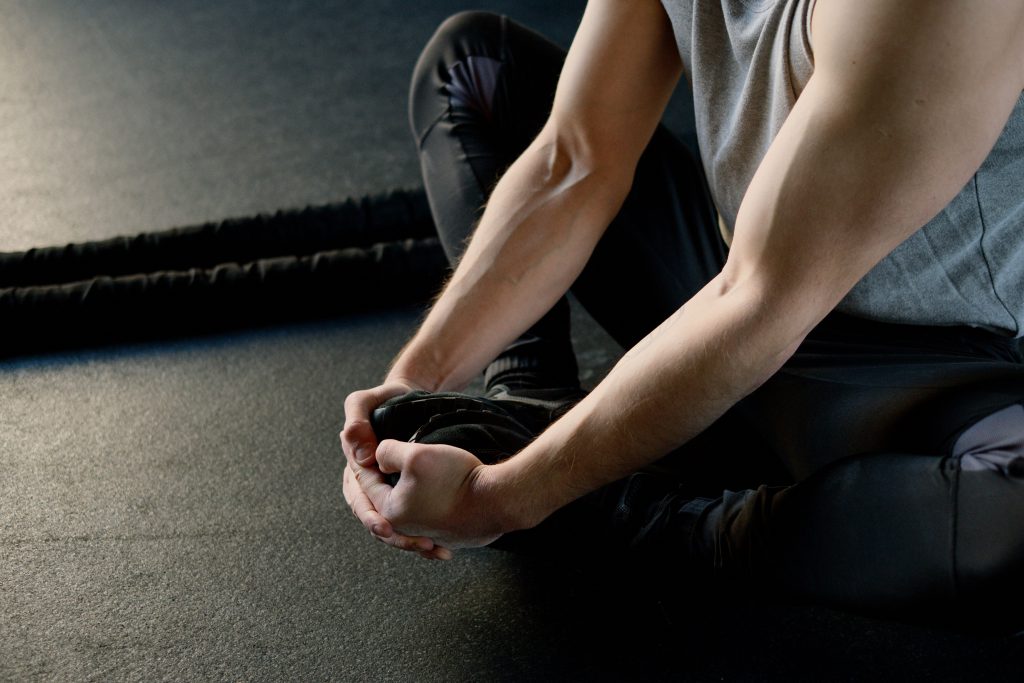
Break Up Sitting with Small Movement Moments
School, work, homework and travel can all involve long stretches of sitting. Look for natural pauses when everyone can change position and move a little.
Between homework tasks, children could stretch, walk to get a drink or move around to one song. During a television break, you might get up together or try some comfortable seated movements.
Parents can join in too, especially after time at a desk.
These little breaks are useful additions to the day, alongside active play and other physical activity. They also give families a simple cue to notice how long they’ve been in one position.
Make Time Together
Moving as a family can be a chance to connect, without needing to organise a big outing.
Explore a local park or take a short walk and let your child tell you about their day. You could ask each family member to choose an activity for the weekend.
You don’t have to be particularly sporty to participate. Showing interest, having a go and enjoying the time together all matter.
Talk about movement in terms of what it helps us do: play, explore, feel stronger and spend time with people we care about. That keeps the conversation focused on enjoyment and wellbeing.
Adapt the Activity to the People Joining In
Families include different ages, abilities and energy levels. Doing something together doesn’t mean everyone needs to move in exactly the same way.
A younger child might roll a ball while an older sibling throws it. Someone might dance standing up while another person joins in from a chair. Shorter distances, extra breaks and a gentler pace can make activities more manageable.
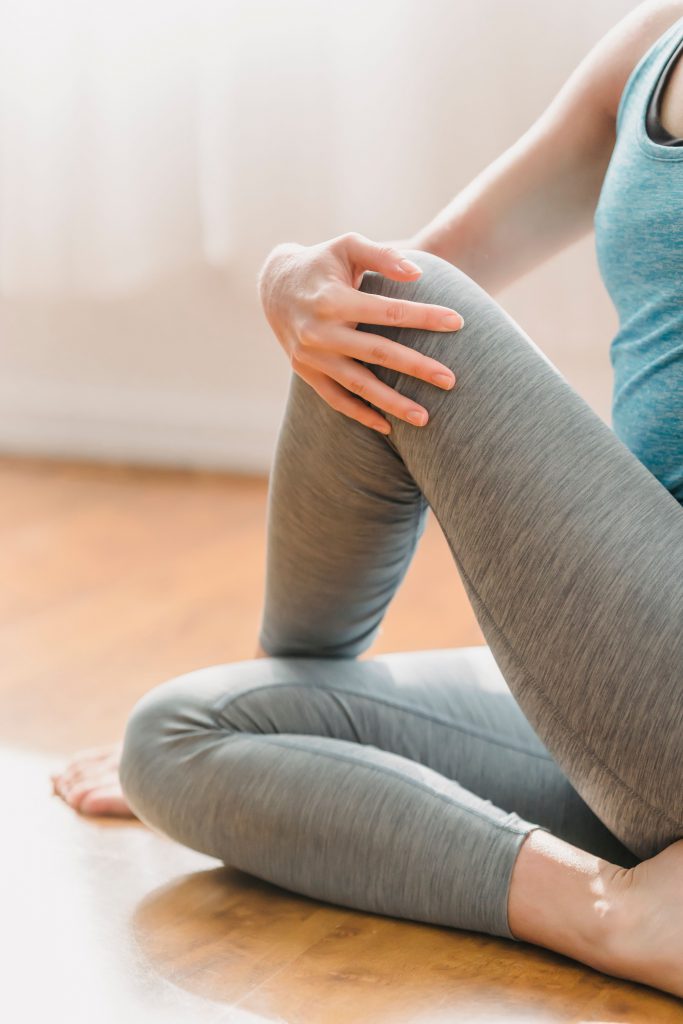
If pain, an injury or a health condition is affecting movement, a physiotherapist or healthcare professional can help you find suitable options. Start gradually and avoid pushing through pain.
Take a Seat and Get Moving
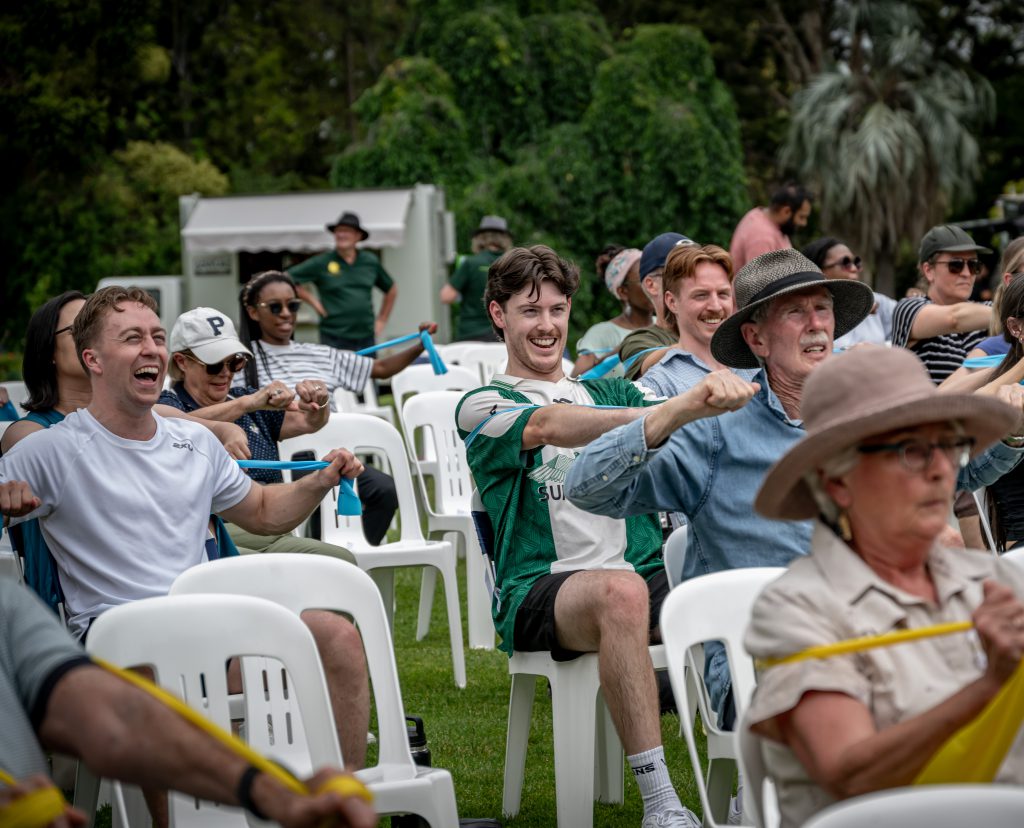
Chair-based exercise is a great way to make movement more accessible, particularly when pain, reduced mobility or difficulty with balance makes standing activities challenging. Using a chair for support, or moving while seated, offers another way to work on strength and mobility at a pace that suits your body.
On Monday, 12 October, I’m joining Musculoskeletal Health Australia’s World’s Biggest Sit-In to show how movement can be made accessible for all.
The live, 30-minute chair-based exercise class starts at 10:30am AEDT and can be joined virtually from anywhere in Australia. It’s an opportunity to try something different while raising awareness and funds for the more than 7.3 million Australians living with musculoskeletal conditions.
Find out more and join me by registering at www.wbsi.org.au
 Libby Birch is a four-time AFLW premiership player, qualified physiotherapist and advocate for women’s sport. The first AFL/AFLW player to win premierships with three different clubs, she plays for North Melbourne and brings her expertise to media commentary and injury analysis. Libby is also the author of Libby’s Footy Adventures, a children’s picture book inspiring the next generation of girls to play footy.