Why Your Teenager’s Acne Keeps Coming Back — And What You Can Do About It
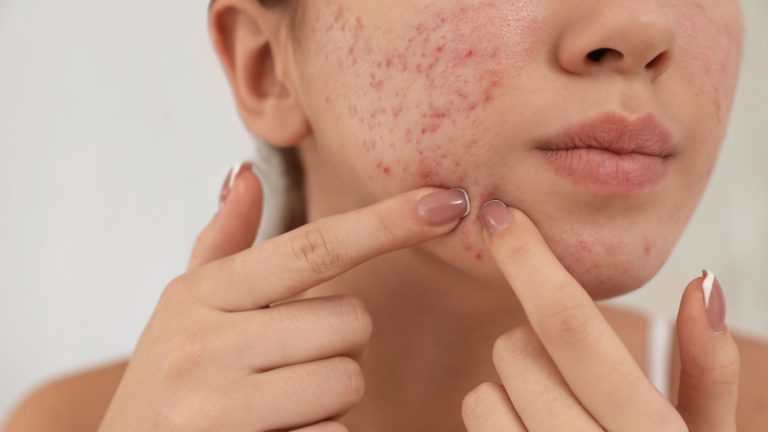
For many parents, acne can seem like a normal part of being a teenager. Sure, it can be annoying, but it’s just a temporary phase.. Yet for many teens, it’s anything but. Weeks turn into months, months become years, and despite trying countless cleansers, creams and social media “miracle cures”, the breakouts keep returning.
The problem is, recurring acne can take a significant toll on a teenager’s confidence. Many become reluctant to have their photo taken, avoid social situations or spend hours trying to cover blemishes before school. As a parent, it can be difficult watching your child become increasingly self-conscious while wondering whether you’re missing the treatment that will finally work.
The reality is that acne is often far more complex than simply having “bad skin.”
Why Recurring Acne Can Be So Difficult to Treat
Acne is one of the most common skin conditions affecting teenagers, and it’s influenced by several factors occurring at the same time. Hormonal changes during puberty stimulate increased oil production, pores can become clogged with excess oil and dead skin cells, naturally occurring skin bacteria can contribute to breakouts, and the body’s immune system responds with inflammation.
Persistent inflammation is increasingly recognised as an important factor in recurring acne. While many traditional acne treatments are designed to reduce oil, unclog pores or help normalise skin cell turnover, they don’t work equally well for everyone. Some teenagers continue to experience ongoing breakouts, redness and skin sensitivity despite trying a variety of products. To make matters more challenging, overly harsh skincare routines can sometimes compromise the skin’s natural barrier. When skin becomes excessively dry or irritated, it may feel more sensitive and less tolerant of active ingredients, making it harder to maintain a consistent routine.
What Parents Can Do
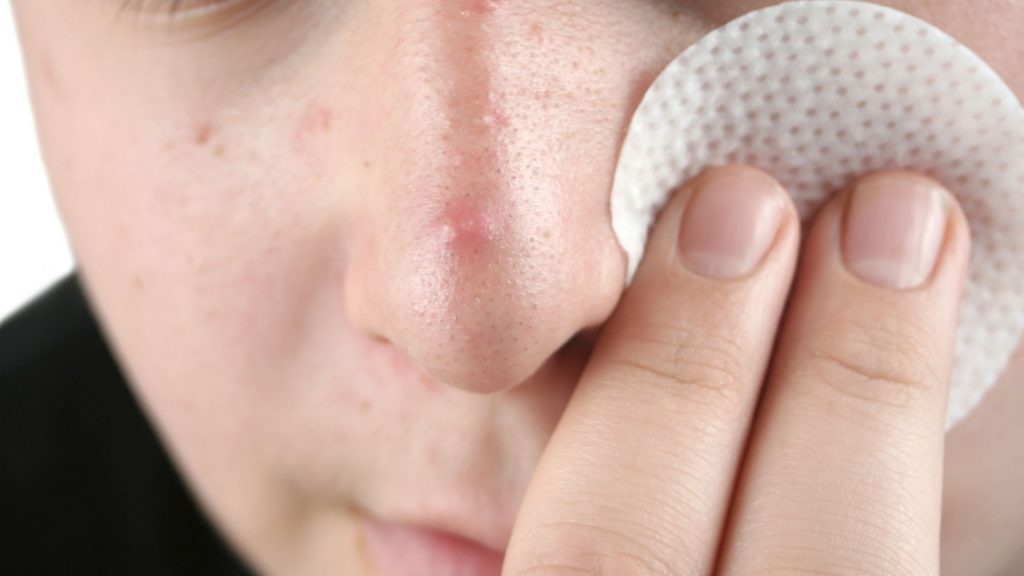
If your teenager is struggling with recurring acne, a simple, consistent approach is often more effective than constantly changing products.
Some practical steps include:
- Encourage a gentle skincare routine with a mild cleanser, moisturiser and broad-spectrum sunscreen during the day.
- Give new treatments enough time to work. Many acne products require six to twelve weeks before noticeable improvement occurs.
- Discourage picking or squeezing pimples, which can increase the risk of scarring and prolong healing.
- Avoid introducing multiple active ingredients at once, particularly if the skin is becoming dry or irritated.
- If acne is severe, painful, causing scarring or having a significant impact on your teenager’s confidence or wellbeing, seek advice from your GP or a dermatologist. Prescription treatments may be appropriate for some individuals.
Just as importantly, remember that emotional support matters. Acne isn’t simply a cosmetic concern. It can affect self-esteem during an already challenging stage of life. Reassurance, patience and realistic expectations can make a meaningful difference.

Can Diet Play a Role?
Parents often wonder whether certain foods are responsible for their teenager’s breakouts. While there isn’t a single “acne diet”, research suggests that diet may influence acne in some people. Eating a diet high in refined carbohydrates and high glycaemic index (GI) foods such as sugary drinks, confectionery, white bread, pastries and highly processed snack foods, may contribute to breakouts by increasing blood sugar levels and stimulating hormones that can increase oil production and inflammation.
Some studies have also found an association between acne and higher intakes of dairy products, particularly skim milk, although the evidence remains mixed and not everyone will notice a difference. Because dairy is an important source of calcium and protein for growing teenagers, it shouldn’t be eliminated without advice from a healthcare professional. Rather than focusing on foods to avoid, encourage your teenager to eat a balanced diet rich in vegetables, fruit, wholegrains, lean protein and healthy fats. Foods naturally high in omega-3 fatty acids, such as salmon, sardines, walnuts and chia seeds, may also support overall skin health as part of a nutritious eating pattern. If you suspect certain foods consistently trigger flare-ups, keeping a simple food and skin diary may help identify patterns. Any significant dietary changes should be discussed with your GP or an Accredited Practising Dietitian to ensure your teenager’s nutritional needs continue to be met.
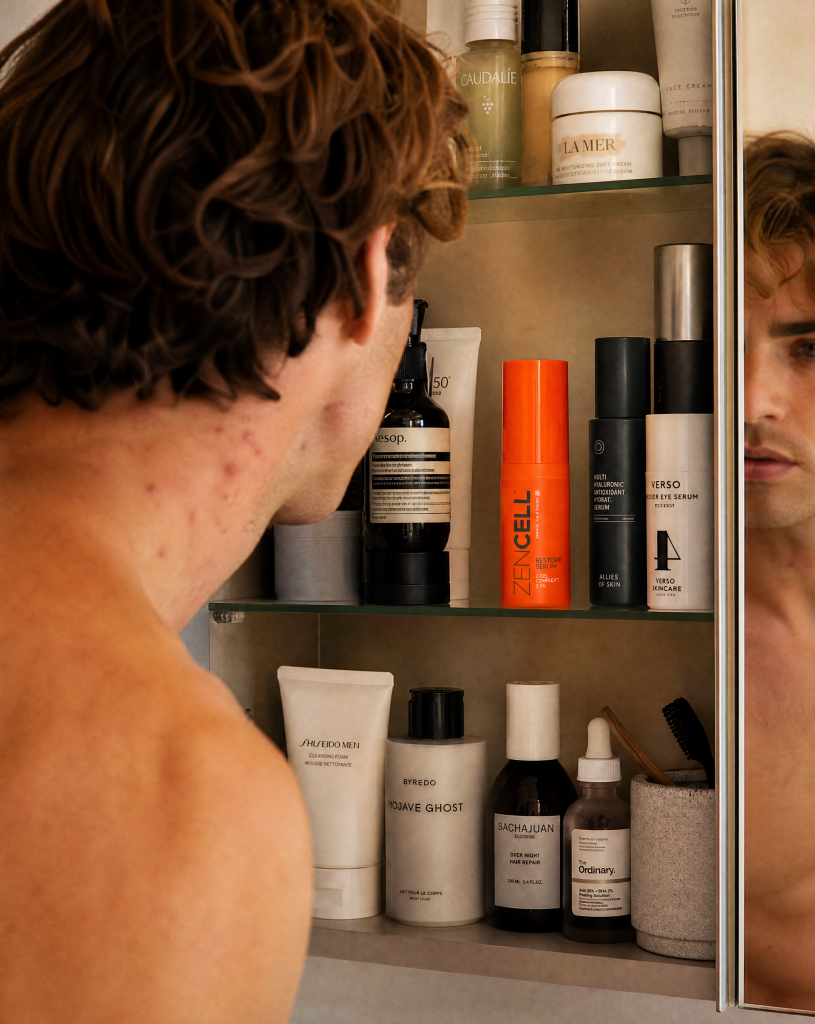
Looking Beyond Traditional Skincare
As our understanding of acne continues to evolve, there is growing interest in skincare approaches that aim to support the skin’s natural balance while helping manage visible redness, breakouts and sensitivity. Traditional acne treatments often rely on well-established active ingredients such as benzoyl peroxide, salicylic acid and topical retinoids. These ingredients work in different ways—benzoyl peroxide helps reduce acne-causing bacteria, salicylic acid supports gentle exfoliation to help keep pores clear, and retinoids assist with skin cell turnover. While these options can be effective for many people, they can also cause dryness or irritation in some skin types, particularly when the skin barrier is already compromised.
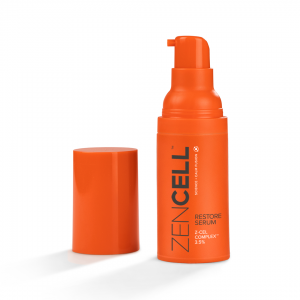
One Australian brand exploring a more targeted, science-led approach is ZenCell™. According to the company, its Restore Serum contains p-Toluenesulfonamide, a compound selected for its antibacterial and anti-inflammatory properties. Rather than relying solely on more familiar acne actives, ZenCell’s lightweight topical gel has been developed to support skin that is prone to recurring breakouts, redness and sensitivity, while still fitting alongside existing skincare routines.
Designed to layer easily with other products such as gentle cleansers, moisturisers and sunscreen, the serum is suitable for teenagers and adults. As with any skincare product, individual responses vary, and consistent use over time is generally needed before visible changes may be noticed. While no single product works for everyone, science-led formulations like this may offer another option for families looking to complement a simple, steady skincare routine alongside guidance from a healthcare professional when needed.
Disclaimer: This article is provided for general informational purposes only. It is not intended to diagnose, treat, cure or prevent any medical condition. Always seek advice from a qualified healthcare professional regarding any skin concerns or treatment options.
Explore other popular topics: