
The 5 Worst Pieces of Career Advice Parents Give Their Kids

By Dr Jo Winchester
As a career coach and someone who spends a lot of time helping young people prepare for the future of work, I hear some truly terrible career advice.
And I hate to say it… but a lot of it comes from parents.
Look, I get it. I’m a mum of three myself, and there’s a lot of doom and gloom out there. AI is changing jobs faster than schools can update their curriculums, the cost of living is out of control, and half the internet seems convinced our kids will either become influencers or be replaced by robots.
Of course we want our children to be secure, successful and happy.
But here’s the problem: because the future feels uncertain, many parents are giving ‘safe’ advice to try to protect their kids from failure. And ironically, that’s often what’s making young people feel disengaged, anxious and uninspired about work in the first place.
So, if you genuinely want your child to build a meaningful and satisfying career, here are the top five pieces of career advice you SHOULDN’T be giving your kids.
Don’t Tell Your Child to “Play It Safe”
The truth is none of us really know what the future job market is going to look like.
A few years ago, everyone was telling kids to learn coding because it was “future-proof”. Then AI arrived and started writing code itself….
More importantly, if your child feels completely uninspired by the “safe” path they’ve chosen, they’re probably not going to thrive in it anyway.
Young people need adaptability, curiosity and confidence far more than they need a perfectly mapped-out five-year plan.
Instead of asking, “What’s the safest job?” try asking: “What kind of work would make you excited to keep learning?”

Don’t Panic When They Change Their Mind
Teenagers and young adults changing direction? Completely normal.
One minute they want to study law. The next they want to start a candle business, move to Byron Bay and become a Pilates instructor.
Try not to immediately roll your eyes.
Exploring different paths is actually a healthy part of career development. Young people are trying to work out who they are, not just what they want to do.
Of course, there’s a difference between healthy exploration and anxiety-driven avoidance. If your child constantly quits the second things get difficult, that’s worth gently exploring.
Don’t assume every change of direction is a failure. Sometimes changing course is exactly what leads them to the right fit.
Curiosity works far better than criticism.
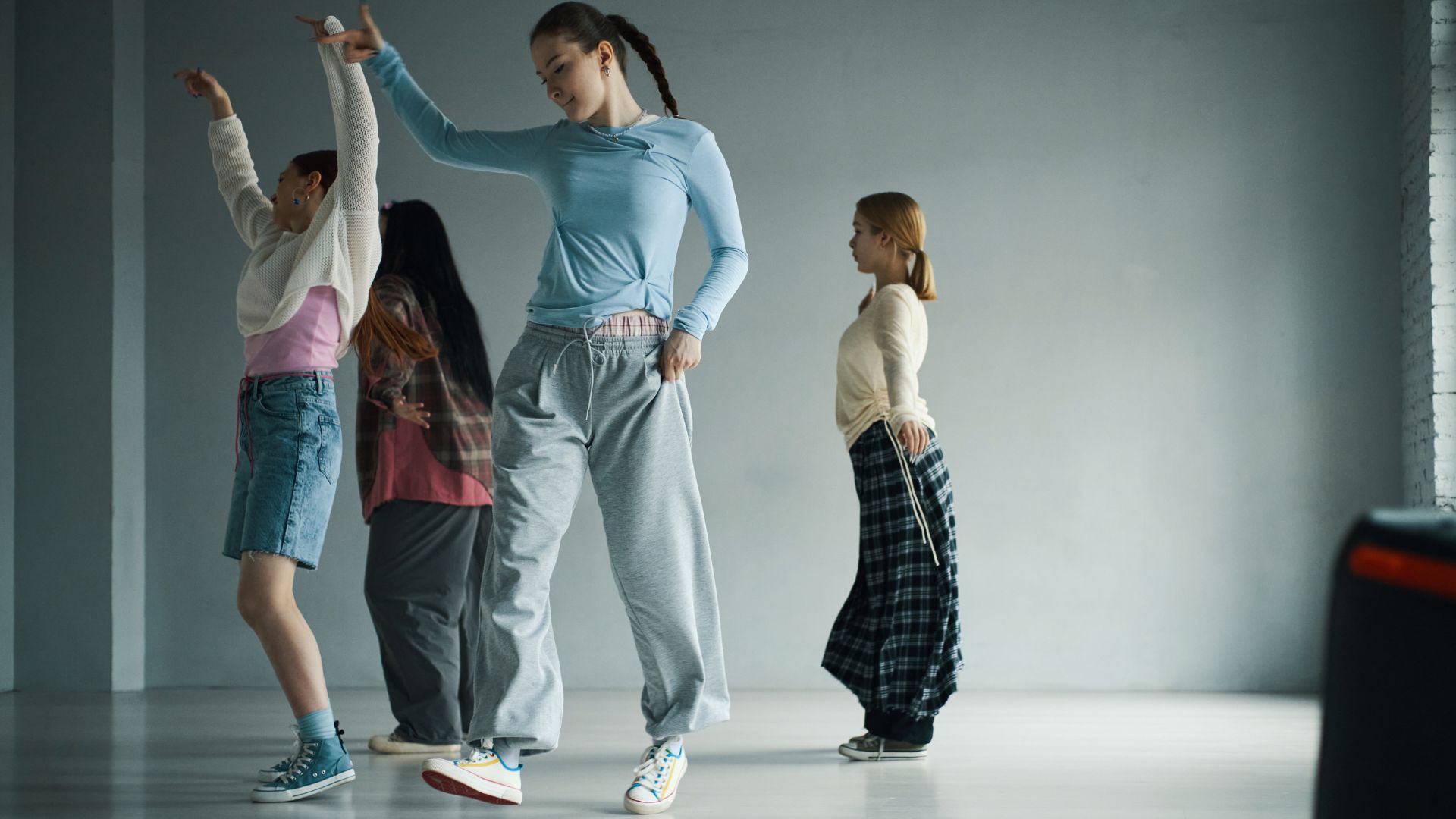
Don’t Discourage Creative or Sporting Dreams
One of the most frustrating things I hear parents say is: “But it’s so hard to make it as an actor.”
And yes, not everyone becomes Hugh Jackman or Margot Robbie.
But here’s what’s interesting: when a child says they want to become an accountant, parents rarely respond with:
“Well, you’ll probably never become Governor of the Reserve Bank, so why bother?”
Creative and sporting careers are treated differently because parents often only picture the tiny percentage who become globally famous.
But there are thousands of meaningful careers connected to the arts, media, performance, sport and creativity.
A young person who loves acting might become a drama teacher, arts educator, producer, public speaker, creative director or therapist using drama-based approaches.
A teenager passionate about sport might end up coaching, managing athlete wellbeing, running a gym, working in sports media or studying exercise science.
Passion doesn’t always have to lead to fame to become their purpose.

Don’t Force Your Own Bias Onto Their Pathway
Parents often carry strong opinions about career pathways.
Some think university is a waste of money. Others think trades are too physically demanding. Some believe taking a gap year means your child will “never come back”.
But your child is not you.
A teenager who struggled at school might thrive in a hands-on apprenticeship.
Another may absolutely love university and want years of further study. Some young people need to work immediately. Others genuinely need time to mature and figure themselves out.
Every pathway has its own set of pros and cons.
The key is helping your child make an informed decision, not one based in fear built around your own experiences.
Don’t Withhold Your Wisdom, Just Change How You Share It
This doesn’t mean you should stay silent. Your life experience matters enormously in how you guide your child.
Your child needs your stories, your perspective and your honesty. Especially about the mistakes you made and the things you wish you’d known earlier.
But there’s a big difference between sharing wisdom and delivering warnings.
Instead of: “Don’t do that. I already know how it ends.”
Try: “This was my experience. The world may be different for you, but here’s what I learned.”
That small shift keeps connection open.
Ultimately, what young people need most is not parents who always have the perfect answers. They need parents who make them feel safe enough to try, fail, learn and come back again without shame.
And honestly? That’s probably the most future-proof thing we can give them.
 Dr Jo Winchester is an educator, academic and careers mentor who helps parents, teachers, young people and employers navigate the changing future of work. Drawing on classroom teaching, university mentoring and hands-on education programs, she offers practical, research-informed guidance. As a mother of three, she also brings lived experience to support confident conversations about education, career pathways and workforce readiness.
Explore other popular topics: