After 15 Years in the Classroom, This Preschool Educator Says She is Seeing a Big Difference in Today’s Kids
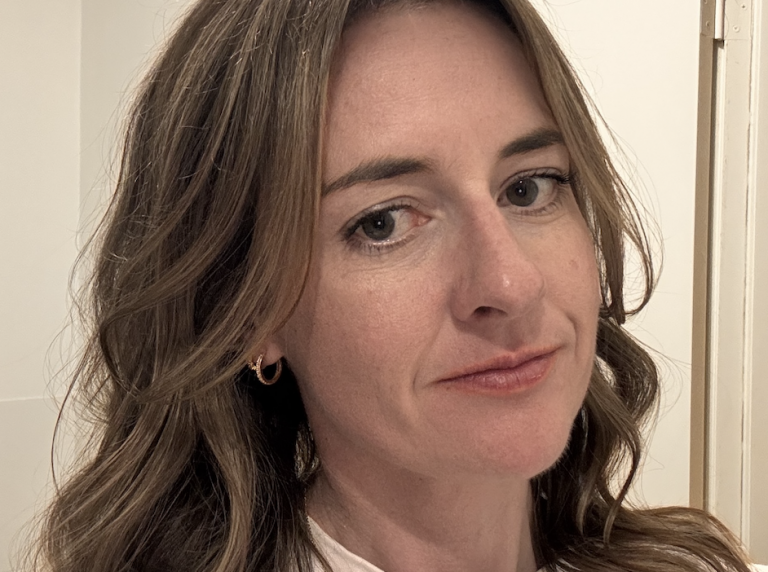
A preschool teacher’s honest TikTok video about the challenges she says she is seeing in early childhood education has sparked a wider conversation about children’s independence, emotional regulation and the pressures facing modern families.
The educator, who has worked in early childhood education for 15 years, says she has noticed a significant change in the children arriving at preschool compared with around a decade ago.
The Canberra educator, Lydia, who goes by @unhingedmillennial1 on Tik Tok, explains that more children are needing support with basic everyday tasks that educators would previously have expected many children to manage independently — from holding pencils correctly and opening lunchboxes to zipping up bags and organising their own belongings.
@unhingedmillennial1 I’m a preschool teacher of 15 years and this is what we are seeing and why teachers are leaving. Then add on top of that the admin and the documentation required to protect ourselves as well as children. #teachers #preschoolteacher #earlychildhoodeducation #preschool #childdevelopment ♬ original sound – Lydia ☀️🌱✌️🇦🇺
The teacher, who now works casually rather than full-time, says she made the change because working full-time in the profession had become too difficult and she wanted to remain in early childhood education without reaching burnout.
She also says educators are increasingly supporting children with emotional regulation, with some children finding it difficult to cope when they are told “no” or when they encounter a challenge. She observes that some children are struggling to persevere when something feels difficult because they have not had enough opportunities to practise independence and problem-solving.
Gentle parenting or permissive parenting?
A major point raised in the video was the difference between gentle parenting and what the experienced educator described as permissive parenting. She explained that gentle parenting is not about removing boundaries. Rather, it involves acknowledging a child’s feelings while still maintaining limits and expectations. The concern, she says, is that some parents may have misunderstood the approach and moved towards avoiding conflict or frustration altogether — meaning children may have fewer opportunities to practise handling disappointment, patience and challenges.
The video, which has had over a million views, has struck a nerve with many parents and educators who say they recognise some of the behaviours being discussed, while others argue there are much bigger social factors at play.
Educators and parents share their experiences
The comments section was filled with teachers, parents and carers sharing their own observations. Some educators agreed that they had also noticed changes in children’s confidence with everyday tasks.
“I had a preschool student that was trying to swipe the pages of a book instead of turning the pages,” one commenter shared.
Another educator said emotional regulation had increasingly become part of what teachers are expected to support.
“We discussed emotional regulation in our staff meeting yesterday. Apparently it’s now our job to also teach emotional regulation to our students because a lot of parents won’t say no,” they wrote.
Others focused on the importance of allowing children to practise independence.
One educator wrote that they were stunned watching parents carry their children’s bags, unpack their belongings and complete tasks for them each morning. They argued that allowing children to try, make mistakes and solve problems with guidance helps build resilience.
“Please let your kids do things and sometimes fail then have to figure out, with guidance, how to fix it,” they wrote.
Related article: Encouraging Independence: When to Step Back and When to Step In
However, other commenters pushed back against the idea that parenting choices alone explain the challenges families are facing. One person pointed out that many households now look very different, with more solo parents, families without support networks and parents working full-time while trying to manage everyday responsibilities.
Another commenter, a teacher with more than 40 years’ experience, suggested the biggest change was not necessarily parenting itself, but the changing reality of family life. They said previous generations often had a parent at home providing more time and structure, whereas many families today are balancing full-time work, financial pressures and limited time.
What does the research say?
While the TikTok reflects one educator’s personal experience, the issues it raises connect with broader conversations around child development and the early childhood workforce.
The Australian Early Development Census (AEDC) tracks children’s development as they begin school, including areas such as physical health and wellbeing, social competence, emotional maturity, language skills and communication. The data shows that children’s early development is influenced by many factors, including family circumstances, health, community environments and access to early learning opportunities.
The early childhood sector is also facing ongoing workforce challenges. The Australian Government’s National Early Childhood Education and Care Workforce Census has highlighted workforce pressures, including challenges around attracting and retaining educators. For many educators, the issue is not simply about parenting choices — it is about supporting children, families and teachers in a time when expectations are changing and pressures are increasing.
The debate ultimately raises a bigger question: are children becoming less resilient, or are families and educators navigating a world that looks very different from previous generations?
What do you think? Are children being given enough opportunities to build independence, or are modern families facing pressures that make parenting harder than ever?
Explore other popular topics: