How Music Therapy Helps Kids Cope with Big Feelings

Every child experiences big feelings. Whether it’s frustration after a difficult day at school, anxiety about trying something new or sadness when plans change, learning how to manage emotions is an important part of growing up. As a parent, you want to help your child express those feelings in healthy ways. Music therapy offers a structured and supportive environment that allows children to recognise, express and regulate their emotions more effectively.
What Is Music Therapy?
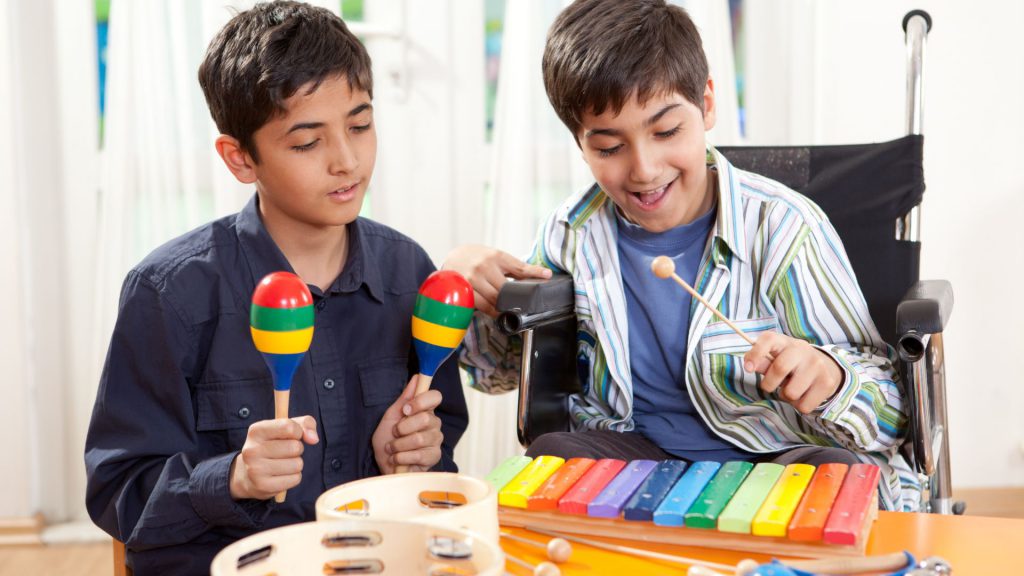
Music therapy is an evidence-based practice delivered by qualified professionals who use music experiences to support emotional, social, cognitive and physical well-being. Sessions usually include creating playlists to support the person’s needs, singing, playing instruments or songwriting activities.
Why Music Can Be a Powerful Emotional Tool
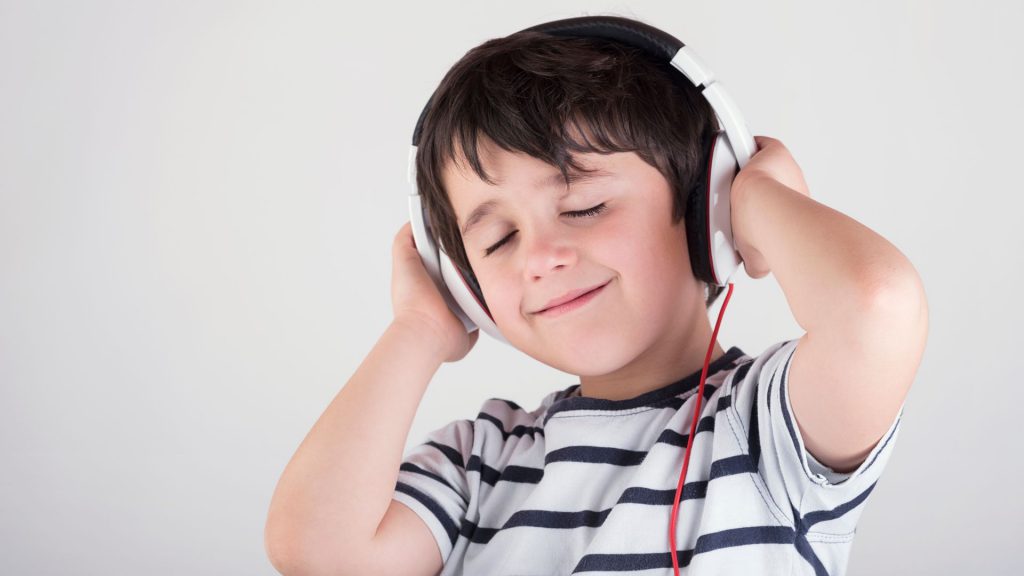
Music has a unique ability to connect with emotions. Research suggests that babies are born with an ability to recognise elements of music such as rhythm and pitch. Over time, their musical preferences and understanding develop through the music and sounds they experience every day.
Kids’ emotional understanding often aligns with the emotions they perceive in music, highlighting the role music can play in helping them recognise and process feelings. Music activates multiple areas of the brain at the same time, including those involved in movement, thinking, memory and emotions.
Listening to the music a child enjoys may help strengthen these connections, making it easier to support emotional expression and learning.
Helping Children Manage Big Feelings
One of the primary goals of music therapy is to help kids understand and manage their emotions. Through carefully designed activities, therapists can guide them in recognising feelings such as anger, sadness, excitement and worry. This is important because understanding, expressing and managing your feelings leads to emotional wellness.
Music-based interventions can support emotional regulation, helping people cope with their experiences in healthier ways. Calming rhythms may help reduce anxiety, while drumming or movement exercises can provide a healthy outlet for frustration and excess energy.
A key part of music therapy is creating a safe space where children can communicate in their own way. This allows emotions and ideas to emerge naturally through sounds, rhythms and melodies.
As kids learn to express themselves through music, they often gain confidence in their abilities and emotions. Creating music, choosing songs or participating in group activities can give them a sense of accomplishment and control.
Strengthening Social Connections
Music can encourage social connections and help people develop bonds. For children who find social situations challenging, music can create a comfortable pathway to connecting with others.
Music often plays an important role in connecting people to their heritage and sense of identity. Through familiar songs and cultural traditions, kids can build meaningful links to their family’s past while carrying those traditions into the future.
When Should Parents Consider Music Therapy?
Music therapy can benefit children experiencing anxiety, emotional regulation difficulties, low confidence or challenges with communication and social interaction. It can also support those who simply need additional tools to understand and express their feelings.
Since sessions are tailored to each child, music therapy can be adapted for different ages, personalities and developmental stages. Parents interested in learning more can speak with their GP, school well-being team or a registered music therapist about available services.
Supporting Your Child Through Music
Music therapy is a creative and evidence-based way to build emotional awareness, strengthen coping skills and encourage healthy self-expression. Giving kids another way to communicate and process emotions can support their confidence, help them develop stronger relationships and improve their emotional well-being both at home and other areas of their lives.
 Mia Barnes is a professional freelance writer and the Founder and Editor-in-Chief of Body+Mind Magazine. Mia specialises in women’s and family wellness with the goal of empowering parents everywhere to be the best they can be.