The TikTok “My Lookalike” Trend Explained: How It Works, Why It’s So Hit-or-Miss, and Whether You Should Be Wary
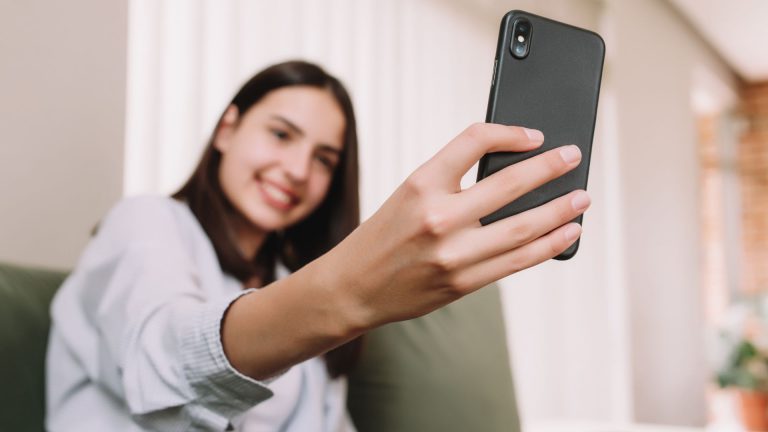
Okay, so you know that trend where people scan their face and an app tells them which celebrity they’re basically identical to? You’ve definitely seen it. You’ve probably watched about fifteen of them in a row at 11pm while pretending you were “just checking one thing” on your phone. No judgement, we’ve all been there.
It’s called the “my lookalike” trend, and it has absolutely taken over TikTok recently. Someone holds their phone up, strikes their best pose, lets the app scan them for a couple of seconds, and then either shrieks because the match is genuinely uncanny, or falls about laughing because apparently they’re the spitting image of someone thirty years older than them. There is no in between.
But once you’re done cackling at your mate’s terrible match, there’s a slightly more interesting question hiding underneath all of this. A machine is scanning your actual face and pulling your “twin” out of a big pile of photos. Some people think that’s a total non-issue. Others get a bit of an ick about it and don’t love the idea of handing their face over to an app, thank you very much. Both camps have a point.
What’s Actually Going on Here
Most versions of this trend that are doing the rounds seem to run through CapCut, going by the sheer number of creators tagging their videos with CapCut and “Pioneer template” hashtags. They all work roughly the same way: you scan your face, the app compares it to a big library of celebrity photos, and it spits out your “closest match.” Some versions skip the celebrities altogether and match you against everyday people instead, which is honestly where the really wild results come from — two total strangers on opposite sides of the world who could absolutely pass as siblings.
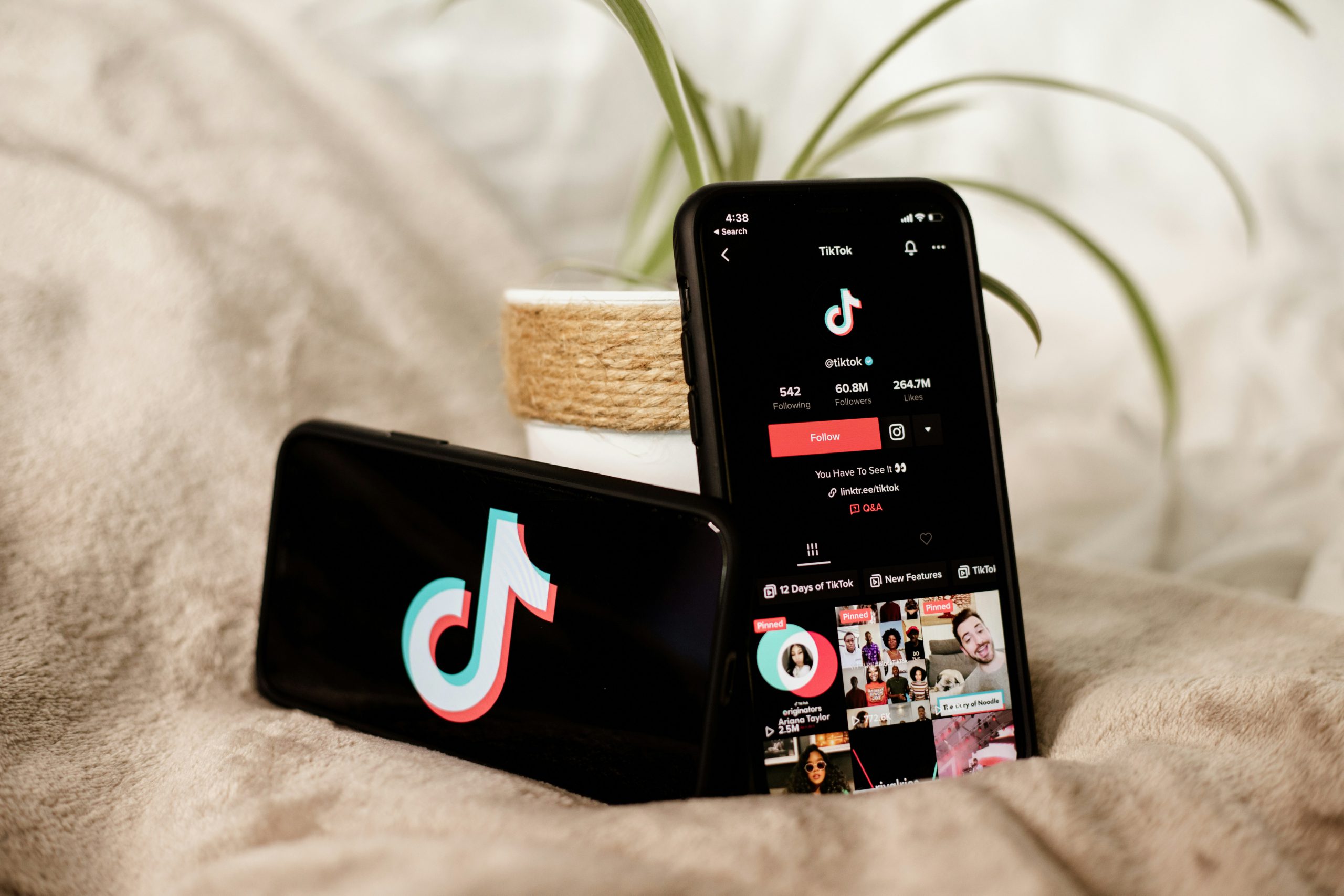
Photo by Collabstr on Unsplash
How to Actually Do It
Want to give it a go yourself? Here’s the drill:
- Search “look alike filter,” “celebrity look alike filter,” or “doppelganger filter” on TikTok. There are a few versions floating around, they’re all pretty similar.
- Good lighting matters more than you’d think. Standing in front of a window with the sun behind you will absolutely ruin your result.
- Hold the phone at eye level, keep your face neutral. No smiling, no squinting, no “cute angle.”
- Try it twice if you can. A lot of people got a completely different match smiling versus dead-pan, which tells you everything about how fussy this thing really is.
Why Some Matches Are Spot on and Others Are… A Stretch
Here’s the not-so-glamorous truth: the app isn’t reading your soul, it’s comparing shapes. That’s it. It’s basically playing “which of these photos is closest,” and a few things can throw the whole thing off — what photos it actually has to choose from, how the light was hitting your face, even the angle you’re holding the phone at. None of that has much to do with who you genuinely resemble in real life, it’s more about what the app happened to have lying around and what it happened to catch in that split second.
So when a match is uncanny, we’re talking same eyes, same nose, same micro expression you didn’t even realise you do, that’s a real coincidence, not the app being clever. And when it’s completely off? Nine times out of ten it just didn’t have a great option to pick from, or your lighting wasn’t doing you any favours that day.
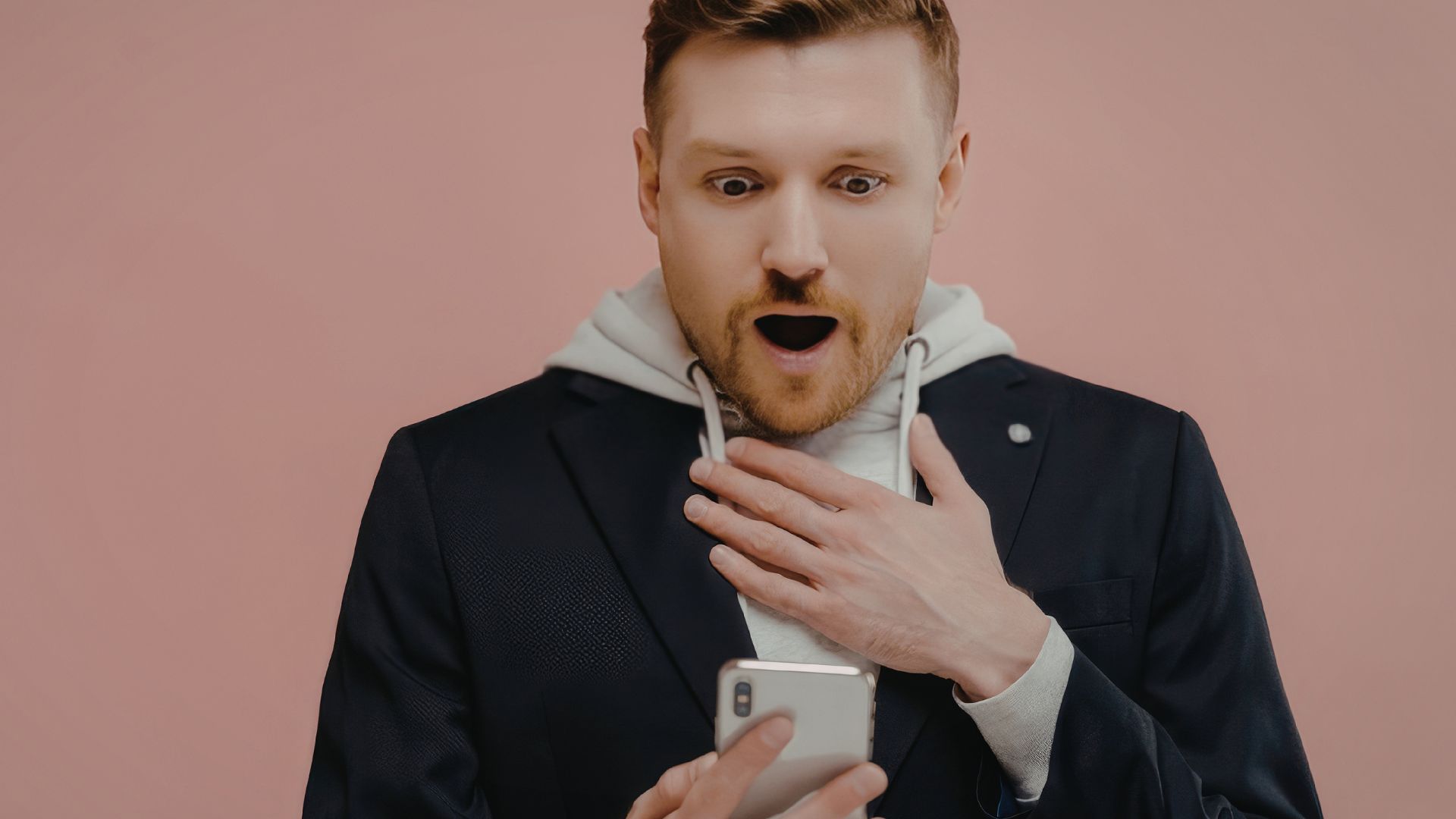
The Genuinely Wild Bit
People have found the whole “meeting your double” thing unsettling for centuries, way before any of us had a smartphone in our hand. There’s actually a name for that specific creeped-out feeling: the uncanny valley. It’s the same reason those hyper-realistic dolls freak you out, or why some CGI characters just feel… off. Something that looks almost human, but not quite, does something strange to our brains.
Seeing a total stranger wearing basically your exact face seems to tap into the same wiring. It’s this little internal record-scratch of “hang on, I thought there was only one of me.” People have been telling stories about running into their own double forever, so clearly this isn’t a new AI thing, we’ve just found a much faster, much funnier way to do it to ourselves on purpose.
But Should You Actually Be a Bit Wary?
Plenty of people are sitting this one out completely, and honestly? Fair enough. Let’s not roll our eyes at that.
The real worry is pretty simple: you’re handing over a scan of your actual face, and you don’t fully know where it goes after that. That’s not being paranoid, that’s just a reasonable question to ask. TikTok’s own privacy policy actually says it may collect things like faceprints from what you post, so this isn’t some wild internet rumour, it’s right there in the fine print most of us never read.
There’s also this: even if you’re completely fine with TikTok having a copy of your face, that doesn’t necessarily mean it stops there. These platforms often share data around with other companies behind the scenes. And there’s a bit of a “normalising it” problem too, the more we all treat face-scanning as harmless fun, the easier it is to stop questioning it altogether, which probably isn’t the best example to be setting for the kids watching us do it.
Then there’s the classic “TikTok already has my face anyway, what’s the difference” argument, and look, it’s not wrong exactly. If you post videos of yourself, your face is already out there in some form. But there is a real difference between TikTok simply seeing your face pop up in a video, versus a filter actively pulling a copy of your face out and storing it somewhere as data. That second version hangs around a lot longer, and could theoretically be matched up against other things down the track, in a way a video of you dancing badly in the kitchen never really could.
For most of us, having a play with a filter inside a massive, mainstream app is probably fine, low stakes, not something to lose sleep over. The bigger risk is more of a habit thing. Once “just scan my face, it’s just a bit of fun” starts to feel completely normal, it gets a lot easier to do the exact same thing without a second thought when some random, dodgy app you’ve never heard of asks for the same access.
So, try it or don’t. Either way, it doesn’t hurt to know roughly what you’re signing up for before you hit scan.
What do you reckon, are you giving this one a red hot go, or is it a hard pass for you?
Explore other popular topics: